Wednesday, June 12, 2024

Sumansuttam (JAIN GEETA)

Sumansuttam
(JAIN GEETA) தமிழில் 

1. Mangalasutra

PRECEPTS ON THE AUSPICIOUS

▪️Namo arahantanam Namo siddhanam Nomo ayariyanam.
Namo uvaljhayanam Namo loe savvashunam. (1)

Obeisance to the Worthy souls.
Obeisance to the Liberated souls.
Obeisance to the Preceptors (Spiritual guides).
Obeisance to the Spiritual Teachers.
Obeisance to all the Saints in the world. (1)

▪️Eso pancanamokkaro, savvapavappanasano
Mangalnam ca savvesim, padhamam havai mangalam. (2)

This five-fold obeisance is destructive of all sins and is the foremost amongst all the auspicious. (2)

▪️Arahanta mangalam. Siddha mangalam. Sahu mangalam.
Kevalipannatto dhammo mangalam..
Arahanta loguttama. Siddha loguttama, Saha loguttama
Kevalipannatto dhammo loguttamo.
Arahante saranam. Siddhe saranam pavvajjami.
Salu saranam pavajjami.
Kevalipannattam dhammam saranam pavvajjami. (3-5)

Auspicious are the Worthy souls. Auspicious are the Liberated souls. Auspicious are the Saints. Auspicious is the Religion preached by the Worthy Souls. Supreme in the world are the Worthy Souls. Supreme in the World are the Liberated Souls. Supreme in the World are the Saints. Supreme in the world is the Religion preached by the Worthy Souls. I seek protection with the Worthy Souls. I seek protection with the Liberated Souls. I seek protection with the Saints. I seek protection with the Religion preached by the Worthy Souls. (3-5)

▪️Thayahi panca vi gurave, mangalacausaranaloyapariyariye.
Nara-sura-kheyara-mahie, arahananaysage vire. (6)

Meditate upon the five Supreme Souls, who afford fourfold shelter for the world and who are auspicious, the greatest among those deserving veneration, victors (over the passions) and worshipped by human beings, vidyadharas (demi-god) and gods. (6)

▪️Ghanaghaikammamahana, tihuvanavarabhavvakamalamattanda.
Ariha anantanani, amuvamasokkha javantu jae. (7)

May there be glory in this world to the Worthy Souls (Arhats) who have destroyed the dense of destructive Karmas, who like the sun bloom forth the louts like hearts of devoted persons capable of liberation, and who are possessed of infinite knowledge and excellent bliss. (7)

▪️Atthavihakammavivala, nitthiyakajja panarthasamsaru.
Ditthasavalatthasara, siddha siddhim mama disantu. (8)

May the path of emancipation be shown to me by the Liberated Souls who have freed themselves from the eight kinds of Karmas, have attained complete fulfilment, have freed themselves from the cycles of births and deaths and who have known the essence of all the things. (8)

▪️Atthavihakammavivala, nitthiyakajja panarthasamsaru.
Pancumahayvayannga, takkaliya-saparasamaya-sudadhara Nanagunaganabhariya, airiya mama paxidantu. (9)

May the preceptors, who are elevated by the five great vows, well versed in their own Scriptures as well as in other contemporary scriptures and endowed with numerous virtues, be pleased with me. (9)

▪️Annanaghoratimize, durantatiramhi hindamanпатот.
Blaviyanuljaoyayara, uvajjhaya varamadim dentu (10)

May the spiritual teachers, who show the path of illumination of the Souls capable of liberation but are groping in the dense and impassable darkness of ignorance, grant me excellent wisdom. (10)

▪️Thiradhariyasilamala, vavagavaraya jasohapadihazaka Bahwinayablusiyangu, suhaim sahu payacchantu. (11)

May the saints, who have adorned themselves firmly with the garland of virtues, earned a glorious reputation and are devoid of attachments, and are the embodiments of humility, grant me happiness. (11)

▪️Arihanta, asarira, avariya, uvajjhaya munino.
Pancakkharanippanno, omkaro panca paramitthi. (12)

The word Om is denotative of five supreme spiritual guides, because it is made of five first letters (aa, a, u and m) of Arhat, Asariri F(Siddha) Acarya, Upadhyaya and Muni. (12)

▪️Usahamajiyam ca vaade, sambhavamabhinandanam ca sumaim ca.
Peumappaham supasam. Jinam ca candappakam ca vande. (13)

I bow to the Jinas: Rsbha, Ajita, Sambhava, Abhinandna, Sumati, Padmaprabha, Suparsva and Candraprabha. (13)

▪️Savihim ca pupphavantam, ziyala seyamsa vsupujjam ca. Vimalamananta-bhayavam, dhammam santim ca vandami. (14)

I bow to the Jinasc Suvidhi (Puspadanta), Sitala, Sreyamsa, Vasupujya, Vimala, Ananta, Dharma and Santi (14)

▪️Kunthum ca Jinavariadam, aram ca mailim cu vuvwasam ca namin
Vandami ritthanemim, taka pasam vaddhamanam ca. (15)

I bow to the Jinas: Kunthu, Ara, Malli, Munisuvrata, Nami, Aristanemi, Pariva and Varditamana.(15)

▪️Candehi nimmalayara, aiccehim ahiyam payasrenta. Sayaravaragambhira, siadha siddhim mama disautu. (16)

May the Siddhas (or the Liberated Souls) who are more immaculate than the moons, brighter than the sun and more serene than the oceans, show me the path of liberation. (16)
சுமன்சுத்தம் (ஜெயின் கீதை)

1. மங்களசூத்திரம்
மங்களகரமான விதிகள்

▪️நமோ அரஹந்தானம் நமோ சித்தானம் நோமோ அயரியாணம்.
நமோ உவல்ঘாயநம் நமோ லோ சவ்வஶுநாம் ।  (1)

தகுதியான ஆத்மாக்களுக்கு வணக்கம்.
விடுதலை பெற்ற ஆன்மாக்களுக்கு வணக்கம்.
போதகர்களுக்கு (ஆன்மீக வழிகாட்டிகள்) வணக்கம்.
ஆன்மிக ஆசிரியர்களுக்கு வணக்கம்.
உலகில் உள்ள அனைத்து புனிதர்களுக்கும் வணக்கம்.  (1)

▪️ஈசோ பஞ்சனமொக்கரோ, சவ்வபவப்பநாசனோ
மங்கல்நாம் ச சவ்வேசிம், பதமாம் ஹவை மங்களம்.  (2)

இந்த ஐந்து மடங்கு கீழ்ப்படிதல் அனைத்து பாவங்களையும் அழிக்கும் மற்றும் அனைத்து புண்ணியங்களிலும் முதன்மையானது.  (2)

▪️அரஹந்த மங்கலம்.  சித்த மங்கலம்.  சாஹு மங்கலம்.
கேவலிபன்னட்டோ தம்மோ மங்களம்..
அரஹந்த லோகுத்தமா.  சித்தலொகுத்தமா, சஹா லொகுத்தமா
கேவலிபன்னட்டோ தம்மோ லொகுத்தமோ.
அரஹந்த் சரணம்.  சித்தே சரணம் பவ்வஜ்ஜாமி.
சாலு சரணம் பவஜ்ஜாமி.
கேவலிபந்நத்தம் தம்மம் சரணம் பவ்வஜ்ஜாமி.  (3-5)

மங்களகரமானவர்கள் தகுதியான ஆத்மாக்கள்.  முக்தி பெற்ற ஆத்மாக்கள் சுபமானவர்கள்.  துறவிகள் சுப.  மங்களகரமானது தகுதியுள்ள ஆத்மாக்களால் உபதேசிக்கப்படும் மதம்.  உலகில் உயர்ந்தவர்கள் தகுதியான ஆத்மாக்கள்.  உலகில் உயர்ந்தவர்கள் விடுதலை பெற்ற ஆத்மாக்கள்.  உலகில் உயர்ந்தவர்கள் புனிதர்கள்.  உலகில் உயர்ந்தது தகுதியான ஆத்மாக்களால் உபதேசிக்கப்படும் மதம்.  நான் தகுதியான ஆத்மாக்களிடம் பாதுகாப்பைத் தேடுகிறேன்.  விடுதலை பெற்ற ஆன்மாக்களிடம் நான் பாதுகாப்பைத் தேடுகிறேன்.  நான் புனிதர்களிடம் பாதுகாப்பு தேடுகிறேன்.  தகுதியான ஆத்மாக்களால் பிரசங்கிக்கப்பட்ட மதத்தைக் கொண்டு நான் பாதுகாப்பைத் தேடுகிறேன்.  (3-5)

▪️தயாஹி பஞ்ச வி குரவே, மங்களசௌசரணலோயபரியாரியே.
நர-ஸுர-கேயர-மஹி, ஆரஹநஸேகே விரே.  (6)

ஐந்து பரமாத்மாக்களை தியானியுங்கள், அவர்கள் உலகத்திற்கு நான்கு மடங்கு தங்குமிடம் கொடுக்கிறார்கள் மற்றும் மங்களகரமானவர்கள், வணக்கத்திற்கு தகுதியானவர்களில் பெரியவர்கள், (ஆவேசங்களை வென்றவர்கள்) மற்றும் மனிதர்கள், வித்யாதரர்கள் (டெமி-கடவுள்) மற்றும் கடவுள்களால் வணங்கப்படுகிறார்கள்.  (6)

▪️கனகைகம்மமஹானா, திஹுவானவரபவகமளமத்தண்டா.
அரிஹ அநந்தநநி, அமுவமசோக்க ஜவந்து ஜே.  (7)

அழிவுகரமான கர்மாக்களை அழித்த, சூரியனைப் போல, முக்தி பெற்றவர்களின் இதயங்களைப் போன்ற பேரொளிகளை மலரச் செய்யும், அளவற்ற அறிவையும், சிறந்த பேரின்பத்தையும் உடைய தகுதியுள்ள ஆத்மாக்களுக்கு (அர்ஹத்கள்) இவ்வுலகில் மகிமை உண்டாகட்டும். .  (7)

▪️அத்தவிஹகம்மவிவல, நித்தியகஜ்ஜ பநர்த்தசம்சாரு.
தித்தஸவலத்தஸார, சித்த ஸித்திம் மம திஸந்து.  (8)

எட்டு வகையான கர்மாக்களிலிருந்தும் விடுபட்டு, பூரண நிறைவை அடைந்து, பிறப்பு இறப்பு சுழற்சியில் இருந்து விடுபட்டு, எல்லாவற்றின் சாரத்தையும் அறிந்த முக்தி பெற்ற ஆத்மாக்கள் எனக்கு முக்தியின் பாதையைக் காட்டட்டும்.  (8)

▪️அத்தவிஹகம்மவிவல, நித்தியகஜ்ஜ பநர்த்தசம்சாரு.
பஞ்சுமஹய்வயங்க, தக்கலிய-சபரசமய-சுதாதர நானகுணகனபரிய, ஐரிய மம பக்ஷிதந்து.  (9)

ஐம்பெரும் வாக்குகளால் உயர்ந்தவர்களும், தங்கள் சொந்த வேதங்களிலும் மற்ற சமகால நூல்களிலும் சிறந்து விளங்குபவர்களும், எண்ணற்ற நற்குணங்களை உடையவர்களுமாகிய ஆசான்மார்கள் என்னைப் பற்றி மகிழ்ச்சியடையட்டும்.  (9)

▪️அன்னநாகோரடிமைஸ், துரந்ததிரம்ஹி ஹிந்தமன்பதோட்.
பிளவியனுல்ஜயோயரா, உவஜ்ழய வரமதிம் டெந்து (10)

முக்தி பெறக்கூடிய ஆன்மாக்களின் ஒளியின் பாதையைக் காட்டும், ஆனால் அறியாமையின் அடர்ந்த மற்றும் கடந்து செல்ல முடியாத இருளில் தத்தளிக்கும் ஆன்மீக ஆசிரியர்கள், எனக்கு சிறந்த ஞானத்தை வழங்கட்டும்.  (10)

▪️திரதாரியசிலாமலா, வவகவராய ஜசோஹபதிஹாசக பஹ்வினயப்லுசியங்கு, சுஹைம் சாஹு பயச்சந்து.  (11)

நற்பண்புகளின் மாலையால் தங்களை உறுதியாக அலங்கரித்து, புகழ்மிக்க நற்பெயரைப் பெற்று, பற்றுகள் அற்ற, பணிவின் திருவுருவங்களான மகான்கள் எனக்கு மகிழ்ச்சியைத் தரட்டும்.  (11)

▪️அரிஹந்தா, அசரீரா, அவரியா, உவஜ்ஜய முனினோ.
பஞ்சக்கரணிப்பண்ணோ, ஓம்காரோ பஞ்ச பரமித்தி.  (12)

ஓம் என்ற சொல் ஐந்து உயர்ந்த ஆன்மீக வழிகாட்டிகளைக் குறிக்கிறது, ஏனெனில் இது அர்ஹத், அசரீரி எஃப் (சித்த) ஆசார்யா, உபாத்யாயா மற்றும் முனி ஆகிய ஐந்து முதல் எழுத்துக்களால் ஆனது.  (12)

▪️உஸாஹமாஜியம் ச வாதே, ஸம்பவமாபிநந்தனம் ச ஸுமைம் கா.
பெயூமப்பஹம் சுபாசம்.  ஜினம் ச சண்டப்பகம் ச வந்தே.  (13)

ஜினாக்களுக்கு நான் தலைவணங்குகிறேன்: ரூபா, அஜிதா, சம்பவா, அபிநந்தனா, சுமதி, பத்மபிரபா, சுபர்ஸ்வா மற்றும் சந்திரபிரபா.  (13)

▪️சவிஹிம் கா புப்பவந்தம், ஜியால சேயம்ச வ்சுபுஜ்ஜம் கா.  விமலமாநந்த-பயவம், தம்மம் சாந்திம் ச வந்தமி.  (14)

ஜினஸ்ச் சுவிதி (புஸ்பதாந்தா), சீதாலா, ஸ்ரேயாம்சா, வசுபூஜ்யா, விமலா, அனந்தா, தர்மா மற்றும் சாந்தி (14) ஆகியோரை வணங்குகிறேன்.

▪️குந்தும் ச ஜினவரிடாம், ஆரம் கா மயிலம் கு வுவ்வாசம் சி நமின்
வந்தமி ரித்தனேமிம், தக பாசம் வத்தமானம் ச.  (15)

குந்து, ஆரா, மல்லி, முனிசுவ்ரதா, நமி, அரிஸ்டநேமி, பரிவா மற்றும் வர்திதமானா ஆகிய ஜின்களை வணங்குகிறேன்.(15)

▪️காண்டேஹி நிம்மலயாரா, ஐச்சேஹிம் அஹியம் பயஸ்ரேந்தா.  சாயரவரகம்பீர, ஸியத ஸித்திம் மம திஸௌது.  (16)

சந்திரனை விட மாசற்ற, சூரியனை விட பிரகாசமான, சமுத்திரத்தை விட அமைதியான சித்தர்கள் (அல்லது முக்தி பெற்ற ஆத்மாக்கள்) எனக்கு விடுதலையின் பாதையை காட்டட்டும்.  (16)

Sunday, June 9, 2024

Vemana Sathakam (11-20)

SADHANA! PRACTICE!

Verses of Vemana-11

Anagananaga raga matisayilluchunundu
tinaga tinaga vemu tiyyanundu
sadhanamuna panulu samakuru dharalona
Viswadhaabhiraama, Vinura Vema

COMMENTARY: Sadhana! Practice! What a grand idea! Martha Graham, the great American dancer, understood it. She says, “Practice means to perform, over and over again in the face of all obstacles, some act of vision, of faith, of desire. Practice is a means of inviting the perfection desired.”  Vemana illustrates this with two examples: one, that we improve our singing ability with repeated practice of a raga; two, that neem leaves eaten regularly over a period lose its bitter taste. This then is the transforming power of practice. ‘Everything is possible with practice and it is amazing what we can train ourselves to do, so it becomes “natural” in time’.

சாதனா!  பயிற்சி!

வேமனன் வசனங்கள்-11

அனகனநாக ராகம் மதிசயில்லுச்சுனுண்டு
தினக தினக வேமு திய்யனுண்டு
சாதனமுன பனுலு சமகுரு தரலோனா
விஸ்வதாபிராம, வினுர வேமா

வர்ணனை: சாதனா!  பயிற்சி!  என்ன ஒரு பெரிய யோசனை!  சிறந்த அமெரிக்க நடனக் கலைஞரான மார்த்தா கிரஹாம் அதைப் புரிந்து கொண்டார்.  அவர் கூறுகிறார், “பயிற்சி என்பது எல்லா தடைகளையும் எதிர்கொண்டு, சில பார்வை, நம்பிக்கை, ஆசை போன்ற செயல்களைச் செய்வதாகும்.  பயிற்சி என்பது விரும்பிய பரிபூரணத்தை அழைப்பதற்கான ஒரு வழியாகும்.   வேமனா இதை இரண்டு எடுத்துக்காட்டுகளுடன் விளக்குகிறார்: ஒன்று, ஒரு ராகத்தை மீண்டும் மீண்டும் பயிற்சி செய்வதன் மூலம் நமது பாடும் திறனை மேம்படுத்துகிறோம்;  இரண்டு, வேப்ப இலைகளை தொடர்ந்து சாப்பிட்டு வந்தால் அதன் கசப்புச் சுவை குறையும்.  இது நடைமுறையின் மாற்றும் சக்தியாகும்.  பயிற்சியின் மூலம் அனைத்தும் சாத்தியமாகும், மேலும் நாம் என்ன செய்ய பயிற்சி பெறுவது ஆச்சரியமாக இருக்கிறது, எனவே அது சரியான நேரத்தில் "இயற்கையானது".
THE NATURE OF THE COWARD

Verses of Vemana-12

Medi pandu chooda melimai undunu
Potta vippichuda purugulundu
Pirikivani madini binka meeladura
Viswadhaabhiraama, Vinura Vema

COMMENTARY: Courage is not the absence of fear but as Nelson Mandela put it, courage is the triumph over it. He goes on to add that the brave man is not he who does not feel afraid, but he who conquers that fear. The coward on the other hand gives in to the temptation of fear and misses the magnitude of life.

The irony is that the coward does not have the nerve to acknowledge his trepidation and hides behind the hollow façade of courage, hoping against hope that his pretense will not be discovered. It does not take long for a discerning man to find out the truth.

Vemana’s analogy is simply superb. He compares the coward to a fig, which glitters on the surface, but whose pulpy inside hides worms. More than three hundred centuries later, Alfred Adlera the Austrian medical doctor and psychologist, founder of the school of individual psychology, spoke of this affectation when he said that superiority complex was a cover up for an inferiority complex.

Ancient Indian wisdom in a new bottle!

கோழையின் இயல்பு

வேமனின் வசனங்கள்-12

மெடி பண்டு சூடா மெலிமை உண்டுனு
போட்டா விப்பிச்சுடா புருகுலுண்டு
பிரிகிவனி மதினி பின்க மீலாதுரா
விஸ்வதாபிராம, வினுர வேமா

வர்ணனை: தைரியம் என்பது பயம் இல்லாதது அல்ல, ஆனால் நெல்சன் மண்டேலா கூறியது போல், தைரியம் அதன் மீது வெற்றியாகும்.  தைரியமானவன் பயப்படாதவன் அல்ல, அந்த பயத்தை வெல்பவனே என்று அவர் மேலும் கூறுகிறார்.  மறுபுறம் கோழை பயத்தின் சோதனைக்கு அடிபணிந்து வாழ்க்கையின் அளவை இழக்கிறது.

முரண்பாடான விஷயம் என்னவென்றால், கோழைக்கு தனது நடுக்கத்தை ஒப்புக்கொள்ளும் நரம்பு இல்லை மற்றும் தைரியத்தின் வெற்று முகப்பின் பின்னால் ஒளிந்துகொள்கிறது, அவரது பாசாங்கு கண்டுபிடிக்கப்படாது என்ற நம்பிக்கைக்கு எதிராக.  பகுத்தறிவுள்ள ஒரு மனிதனுக்கு உண்மையைக் கண்டுபிடிக்க அதிக நேரம் எடுக்காது.

வேமனின் ஒப்பிலக்கணம் மிக அருமை.  அவர் கோழையை ஒரு அத்திப்பழத்துடன் ஒப்பிடுகிறார், அது மேற்பரப்பில் பளபளக்கிறது, ஆனால் அதன் கூழ் உள்ளே புழுக்களை மறைக்கிறது.  முந்நூறு நூற்றாண்டுகளுக்குப் பிறகு, ஆஸ்திரிய மருத்துவ மருத்துவரும் உளவியலாளருமான ஆல்ஃபிரட் அட்லெரா, தனிப்பட்ட உளவியல் பள்ளியின் நிறுவனர், மேன்மை என்பது ஒரு தாழ்வு மனப்பான்மையை மறைப்பதாகக் கூறியபோது இந்த பாதிப்பைப் பற்றி பேசினார்.

புதிய பாட்டிலில் பண்டைய இந்திய ஞானம்!

THE SPEECH OF THE NOBLE AND THE IGNOBLE

Verses of Vemana-13

Alpudepudu palku aadambaramuganu
Sajjanundu paluku challaganu
Kanchu mrogunattu kanakambu mroguna
Viswadhaabhiraama, Vinura Vema

COMMENTARY: Of the many distinctions between a man of lowly character –‘Pasu’- and one of noble disposition-‘Pasupathi’- the most clearly discernible is speech, for, out of the abundance of the heart, the mouth speaks (Luke 6:45). The former is ostentatious like the sound made by bell metal while the latter is gentle like the one made by gold.

Words, thus, mirror the workings of the heart. Sai Baba of Shirdi puts it brilliantly. He says that speech is the armament of man; other animals have fleetness of foot, sharpness of claw, fang, horn, tusk, beak and talon. But man has sweetness of speech, which can disarm all opposition and defeat all the designs of hatred. Sweetness makes you Divine; harshness makes you bestial. It is no small matter when one realizes that wars have been fought over one warped word!

உன்னதமான மற்றும் இழிவானவர்களின் பேச்சு

வேமனன் வசனங்கள்-13

அல்புதேபுடு பல்கு ஆதம்பரமுகனு
சஜ்ஜனுண்டு பழுகு சல்லகானு
கஞ்சு ம்ருகுனத்து கனகம்பு ம்ருகுணா
விஸ்வதாபிராம, வினுர வேமா

வர்ணனை: தாழ்ந்த குணம் கொண்ட மனிதனுக்கும் - 'பசு'- மற்றும் உன்னத மனப்பான்மை கொண்ட ஒருவன்-'பசுபதி'-க்கும் இடையே உள்ள பல வேறுபாடுகளில், மிகவும் தெளிவாகப் புரிந்துகொள்ளக்கூடியது பேச்சு, ஏனென்றால், இதயத்தின் மிகுதியால், வாய் பேசுகிறது (லூக்கா 6  :45).  முந்தையது மணி உலோகத்தால் செய்யப்பட்ட ஒலியைப் போல ஆடம்பரமாகவும், பிந்தையது தங்கத்தால் செய்யப்பட்டதைப் போல மென்மையாகவும் இருக்கும்.

வார்த்தைகள், இதயத்தின் செயல்பாட்டை பிரதிபலிக்கின்றன.  ஷீரடி சாய்பாபா அற்புதமாகச் சொல்கிறார்.  பேச்சு மனிதனின் ஆயுதம் என்கிறார்;  மற்ற விலங்குகள் காலின் வேகம், நகங்களின் கூர்மை, கோரைப்பற்கள், கொம்பு, தந்தம், கொக்கு மற்றும் கொம்பு ஆகியவற்றைக் கொண்டுள்ளன.  ஆனால் மனிதனிடம் பேச்சின் இனிமை உள்ளது, இது அனைத்து எதிர்ப்பையும் நிராயுதபாணியாக்குகிறது மற்றும் வெறுப்பின் அனைத்து வடிவமைப்புகளையும் தோற்கடிக்க முடியும்.  இனிப்பு உங்களை தெய்வீகமாக்குகிறது;  கடுமை உங்களை மிருகமாக்குகிறது.  ஒரு திரிக்கப்பட்ட வார்த்தையால் போர்கள் நடந்துள்ளன என்பதை ஒருவர் உணரும்போது அது சிறிய விஷயமல்ல!

FAULTFINDER: THE MORAL SCAVENGER

Verses of Vemana-14

Tappulennuvaru Tandopatandambu
Lurvi janulakella nundu tappu
Tappu lennuvaru tamatappu lerugaru
Viswadhaabhiraama, Vinura Vema

COMMENTARY: Vemana says that the world is replete with people who are busy finding fault with others. Their searchlight is always directed towards others. They fail to understand that everyone has faults. That man is neither flawless nor immaculate. But ironically, those who readily notice the slightest shade of blemish turn a blind eye to the stains in themselves.

“Happy are those who find fault with themselves instead of finding fault with others” so goes a Sufi proverb.

தப்பு துலக்கி: தார்மீக துப்புரவு செய்பவர்

வேமனின் வசனங்கள்-14

தப்புலென்னுவரு தண்டோபதண்டாம்பு
லுர்வி ஜானுலகெல்லாம் நுண்டு தப்பு
தப்பு லென்னுவரு தமடப்பு லேருகரு
விஸ்வதாபிராம, வினுர வேமா

வர்ணனை: பிறருடைய குறைகளைக் கண்டறிவதில் மும்முரமாக இருப்பவர்களால் உலகம் நிறைந்திருக்கிறது என்று வேமனன் கூறுகிறார்.  அவர்களின் தேடல் விளக்கு எப்போதும் மற்றவர்களை நோக்கியே இருக்கும்.  ஒவ்வொருவருக்கும் குறைகள் உண்டு என்பதை அவர்கள் புரிந்து கொள்ளத் தவறுகிறார்கள்.  அந்த மனிதன் குறையற்றவனும் அல்ல, மாசற்றவனும் அல்ல.  ஆனால் முரண்பாடாக, கறையின் சிறிதளவு நிழலை உடனடியாகக் கவனிப்பவர்கள் தங்களுக்குள் இருக்கும் கறைகளுக்கு கண்மூடித்தனமாக மாறுகிறார்கள்.

"மற்றவர்களின் குறைகளைக் கண்டுபிடிப்பதற்குப் பதிலாகத் தன்மீது குறைகளைக் கண்டுபிடிப்பவர்கள் மகிழ்ச்சியானவர்கள்" என்பது ஒரு சூஃபி பழமொழி.

PURITY OF HEART

Verses of Vemana-15

Atmasuddhi leni acharamadi ela
Bhandasuddhi leni pakamadi ela
Chittasuddi leni sivpujalelara
Viswadhaabhiraama, Vinura Vema

COMMENTARY: Vemana strikes out at the hollowness of external practices. A practice or a custom, a rule or a fashion, a mode, a course of conduct or religious observance, what avail are they without sincerity, without purity of heart?  A mind or intellect that is not unpolluted is no fit altar to worship the divine. But purity of heart is a very big thing.

Lord Krishna says, “To achieve purity of heart, one must observe cleanliness…be compassionate towards all beings, and perform the appropriate duties of life.” Yet, how often we miss the point and metaphorically partake food prepared in an unclean vessel.

இதயத்தின் தூய்மை

வேமனின் வசனங்கள்-15

ஆத்மசுத்தி லேனி ஆச்சரமதி எலா
பந்தாசுத்தி லேனி பகமாடி எலா
சித்தசுத்தி லேனி சிவபூஜலேலரா
விஸ்வதாபிராம, வினுர வேமா

வர்ணனை: வேமனன் புறப் பழக்க வழக்கங்களின் வெற்றுத் தன்மையைத் தாக்குகிறான்.  ஒரு நடைமுறை அல்லது ஒரு பழக்கம், ஒரு விதி அல்லது ஒரு நாகரீகம், ஒரு முறை, ஒரு நடத்தை அல்லது மத அனுசரிப்பு, நேர்மை இல்லாமல், இதயத் தூய்மை இல்லாமல் அவர்களால் என்ன பலன்?   மாசுபடாத மனமோ, புத்தியோ தெய்வ வழிபாட்டுக்கு ஏற்ற பலிபீடம் அல்ல.  ஆனால் இதயத்தின் தூய்மை என்பது மிகப் பெரிய விஷயம்.

பகவான் கிருஷ்ணர் கூறுகிறார், "இதயத்தின் தூய்மையை அடைய, ஒருவர் தூய்மையைக் கடைப்பிடிக்க வேண்டும் ... அனைத்து உயிரினங்கள் மீதும் கருணையுடன் இருக்க வேண்டும், மேலும் வாழ்க்கையின் சரியான கடமைகளைச் செய்ய வேண்டும்."  ஆயினும்கூட, நாம் எவ்வளவு அடிக்கடி புள்ளியைத் தவறவிட்டு, அசுத்தமான பாத்திரத்தில் தயாரிக்கப்பட்ட உணவை உருவகமாக சாப்பிடுகிறோம்.

THE PRINCIPLE OF LOVE

Verses of Vemana-16

Champadaginatti satruvu tana cheta
Chikkina keedu cheyaradu
Posaga melu chesi pommanute melu
Viswadhaabhiraama, Vinura Vema

COMMENTARY: The Ramayana urges the need for exercising compassion even towards those who enjoy injuring others or those of cruel deeds when they are actually committing them (Ramayana, Yuddha Kanda).

Vemana too echoes the idea in this verse. He advocates that when an enemy worthy of death falls into your hands do not harm him; rather do good to him and let him go. In fact, it is simple common sense.

The law of retaliation, of an eye for eye, tooth for tooth, hand for hand, foot for foot, burning for burning, wound for wound, stripe for stripe (Exodus 21: 24,25) will make the whole world maimed.

Returning good for evil is the sure sign of a noble soul, a soul governed by the highest principle, the principle of love.

அன்பின் கொள்கை

வேமனின் வசனங்கள்-16

சம்பதகினத்தி சத்ருவு தன சேத
சிக்கின கீடு செய்யாடு
பொசாக மேலு சேசி பொம்மானுடே மேலு
விஸ்வதாபிராம, வினுர வேமா

வர்ணனை: மற்றவர்களை காயப்படுத்துவதில் மகிழ்ச்சியடைபவர்களிடமோ அல்லது கொடூரமான செயல்களை அவர்கள் உண்மையில் செய்யும்போது (ராமாயணம், யுத்த காண்டம்) இரக்கம் காட்ட வேண்டியதன் அவசியத்தை ராமாயணம் வலியுறுத்துகிறது.

இக்கருத்தை வேமனனும் இப்பாடலில் எதிரொலிக்கிறான்.  மரணத்திற்கு தகுதியான ஒரு எதிரி உங்கள் கைகளில் விழும்போது அவருக்கு தீங்கு செய்யாதீர்கள் என்று அவர் வாதிடுகிறார்;  மாறாக அவருக்கு நல்லது செய்து விட்டு விடுங்கள்.  உண்மையில், இது எளிமையான பொது அறிவு.

கண்ணுக்குக் கண், பல்லுக்குப் பல், கைக்குக் கை, காலுக்குக் கால், வெந்ததற்கு வெந்து, காயத்துக்குக் காயம், பட்டைக்குக் கோடு என்ற பழிவாங்கும் சட்டம் (புற. 21:24,25) உலகம் முழுவதையும் ஊனமாக்கிவிடும்.

தீமைக்கு நல்லதை திருப்பித் தருவது உன்னத ஆன்மாவின் உறுதியான அறிகுறியாகும், உயர்ந்த கொள்கை, அன்பின் கொள்கையால் நிர்வகிக்கப்படும் ஆன்மா.

ON LENDING MONEY

Verses of Vemana-17

Kanivani cheta gasuvesambichi
Venta diruguvade verrivadu
Pilli tinna kodi pilichina palukuna
Viswadhaabhiraama, Vinura Vema

COMMENTARY: Vemana’s verses encompass the whole gamut of human dealings. Here is a verse that deals with prudence in general and lending money in particular.

He says that that man is a fool who lends money to an untrustworthy man and runs behind him. Getting money from him is as impossible as getting an answer from a fowl eaten by a cat. A strikingly singular analogy!

Shakespeare’s principle of economy -husbandry- however, extends to both the lender and the borrower, for loan oft loses both itself and the friend (Hamlet, Act I – Sc. III), trustworthy or otherwise. As such, it is happier to be neither.

கடன் கொடுப்பதில்

வேமனின் வசனங்கள்-17

கனிவாணி சேட கசுவேசம்பிச்சி
வெந்த திருகுவாடே வெறிவாடு
பில்லி தின்ன கோடி பிழிச்சினா பழகுனா
விஸ்வதாபிராம, வினுர வேமா

வர்ணனை: வேமனின் வசனங்கள் மனித நடவடிக்கைகளின் முழு வரம்பையும் உள்ளடக்கியது.  பொதுவாக விவேகம் மற்றும் குறிப்பாக கடன் கொடுப்பது பற்றி ஒரு வசனம் உள்ளது.

நம்பத்தகாத மனிதனுக்குக் கடன் கொடுத்து அவன் பின்னால் ஓடும் அந்த மனிதன் ஒரு முட்டாள் என்று அவர் கூறுகிறார்.  பூனை தின்ன கோழியிடம் இருந்து பதில் பெறுவது போல் அவனிடம் பணம் பெறுவது இயலாத காரியம்.  ஒரு வியக்கத்தக்க ஒற்றை ஒப்புமை!

இருப்பினும், ஷேக்ஸ்பியரின் பொருளாதாரக் கொள்கை -கடன் வழங்குபவர் மற்றும் கடன் வாங்குபவர் இருவருக்கும் நீட்டிக்கப்படுகிறது, ஏனெனில் கடன் பெரும்பாலும் தன்னையும் நண்பரையும் இழக்கிறது (ஹேம்லெட், சட்டம் I - Sc. III), நம்பகமானது அல்லது வேறு.  அவ்வாறே, இருவருமே இல்லாதது மகிழ்ச்சி அளிக்கிறது.

THE COMPANY OF EVIL

Verses of Vemana-18

Verupurgu cheri vrukshambu jedagottu
Cheedapurugu cheri cheruchu
Kutsitundu  cheri gunavantu cheruchu ra
Viswadhaabhiraama, Vinura Vema

COMMENTARY: Paramahansa Yogananda, the great Indian sage, made a simple yet remarkably profound statement: Environment is stronger than willpower.

If you surround yourself with good, cheerful, positive people, you will be a good, cheerful and positive person. If you associate with negative people and situations, you will, surely, in time, feel negative.

Vemana’s advice is rustic but realistic. He says that just as the rootworm befriends the roots and destroys the tree, just as the pest keeps company with the crop, and damages it, the company of the wicked corrupts even the virtuous.

For this reason, there is the need for Satsanga- association with the wise.

கூடாநட்பு

வேமனின் வசனங்கள்-18

வெருபுர்கு சேரி வ்ருக்ஷம்பு ஜெடகோட்டு
சீடப்புருகு செரி செருச்சு
குடித்துண்டு செரி குணவந்து செருச்சு ரா
விஸ்வதாபிராம, வினுர வேமா

வர்ணனை: சிறந்த இந்திய முனிவரான பரமஹம்ச யோகானந்தர், ஒரு எளிய ஆனால் குறிப்பிடத்தக்க ஆழமான அறிக்கையை வெளியிட்டார்: சுற்றுச்சூழல் மன உறுதியை விட வலிமையானது.

நீங்கள் நல்ல, மகிழ்ச்சியான, நேர்மறையான நபர்களுடன் உங்களைச் சூழ்ந்தால், நீங்கள் ஒரு நல்ல, மகிழ்ச்சியான மற்றும் நேர்மறையான நபராக இருப்பீர்கள்.  எதிர்மறையான நபர்களுடனும் சூழ்நிலைகளுடனும் நீங்கள் தொடர்பு கொண்டால், நீங்கள் நிச்சயமாக, காலப்போக்கில் எதிர்மறையாக உணருவீர்கள்.

வேமனின் அறிவுரை கிராமியமானது ஆனால் யதார்த்தமானது.  வேர்புழு வேருடன் நட்பாகி மரத்தை அழிப்பது போல, பூச்சி பயிருடன் சேர்ந்து அதை சேதப்படுத்துவது போல, துன்மார்க்கரின் சங்கம் நல்லொழுக்கமுள்ளவர்களையும் கெடுக்கிறது என்று கூறுகிறார்.

இந்த காரணத்திற்காக, சத்சங்கம் தேவை - ஞானிகளுடன் தொடர்பு.

THE SECRET OF WORK

Verses of Vemana-19

chittasudhi kaligi chesina punyambu
konchemaina nadiyu koduva gadu
vittanambu marri vurshambunaku nenta
viswadhabhirama vinura vema

COMMENTARY: In the ninth chapter of the Gita, verse 26 unveils ‘The Secret of Work’. Bhagavan Krishna says that he will accept a leaf, a flower, fruit or water, offered purely with love and devotion.

The size of the offering does not matter but the way in which it is offered. And the operating word is purity.

Vemana’s analogy reflects the spirit of Gita’s message. He says that the seed of the mighty banyan tree is small but the tree that grows out of it is gigantic. This is similar to a small good deed done with a pure heart.

As Hosea Ballou puts it purity in person and in morals is true godliness

உழைப்பின் ரகசியம்

வேமனின் வசனங்கள்-19

சித்தசுதி கலிகி செசின புண்யாம்பு
கொஞ்சமைனா நதியு கொடுவா காடு
vittanbu marri vurshambunaku nenta
விஸ்வதாபிராம வினுர வேமா

வர்ணனை: கீதையின் ஒன்பதாவது அத்தியாயத்தில், 26வது வசனம் ‘உழைப்பின் ரகசியத்தை’ வெளிப்படுத்துகிறது.  முற்றிலும் அன்புடனும் பக்தியுடனும் சமர்ப்பிக்கப்பட்ட இலை, பூ, பழம் அல்லது நீரை ஏற்றுக்கொள்வேன் என்று பகவான் கிருஷ்ணர் கூறுகிறார்.

பிரசாதத்தின் அளவு முக்கியமல்ல, அது வழங்கப்படும் விதம்.  மேலும் செயல்படும் சொல் தூய்மை.

வேமனின் ஒப்புமை கீதையின் செய்தியின் உணர்வைப் பிரதிபலிக்கிறது.  வலிமைமிக்க ஆலமரத்தின் விதை சிறியது ஆனால் அதிலிருந்து வளரும் மரம் பிரம்மாண்டமானது என்கிறார்.  இது தூய உள்ளத்துடன் செய்யும் சிறு நற்செயல் போன்றது.

Hosea Ballou அதை தனிப்பட்ட முறையில் மற்றும் ஒழுக்கத்தில் தூய்மையாக வைப்பது உண்மையான தெய்வீகம்

MERIT, A MATTER OF CHARACTER NOT CASTE OR COLOR

Verses of Vemana-20

kasturinata chuda kanti nallanganundu
Parimalinchu dani parimalambu
Guruvulaina vari gunamelagura
Viswadhabhirama vinura vema

COMMENTARY: Lord Krishna says: “Chaaturvarnym mayaa sristam gunkarma vibhagasah” (Gita IV.13) i.e. four orders of society created by Me according to their Guna (qualities/behaviour) and Karma (profession/work/efforts).

Vemana was perhaps harping on this when he sings that we should not judge others by the color of their skin but by the content of their character (Dr. Martin Luther King Jr, “I Have a Dream” speech).

To illustrate this he gives the example of kasturi – musk – which is black (Good musk is of a dark purplish color) in colour yet whose sweet fragrance spreads in all directions. He goes on to say that the true Guru is like the musk and as such, one should not judge him by his external appearance but rather by his inner value.

தகுதி என்பது, சாதி அல்லது நிறம் அல்ல, அது குணம்

வேமனின் வசனங்கள்-20

கஸ்தூரினாட சூடா கண்டி
நல்லாங்கனுண்டு
பரிமளிஞ்சு தனி பரிமளம்
குருவுளைன வரி குணமேலகுரா
விஸ்வதாபிராம வினுர வேமா

வர்ணனை: பகவான் கிருஷ்ணர் கூறுகிறார்: "சாதுர்வர்ணம் மாயா சிருஷ்டம் குங்கர்ம விபாகஸஹ்" (கீதை IV.13) அதாவது அவர்களின் குணம் (குணங்கள்/நடத்தை) மற்றும் கர்மா (தொழில்/வேலை/முயற்சிகள்) ஆகியவற்றின் படி நான் உருவாக்கிய சமுதாயத்தின் நான்கு ஆணைகள்.

தோலின் நிறத்தை வைத்து மற்றவர்களை மதிப்பிடக்கூடாது, அவர்களின் குணத்தின் உள்ளடக்கத்தை வைத்து (டாக்டர் மார்ட்டின் லூதர் கிங் ஜூனியர், “எனக்கு ஒரு கனவு இருக்கிறது” பேச்சு) என்று பாடும்போது வேமனா இதைப் பற்றிப் பாடியிருக்கலாம்.

இதை விளக்குவதற்கு அவர் கஸ்தூரி - கஸ்தூரி - இது கருப்பு (நல்ல கஸ்தூரி அடர் ஊதா நிறம்) நிறத்தில் இருந்தாலும் அதன் இனிமையான நறுமணம் எல்லா திசைகளிலும் பரவுகிறது.  உண்மையான குரு கஸ்தூரியைப் போன்றவர், எனவே ஒருவர் அவரை அவரது வெளிப்புற தோற்றத்தைக் கொண்டு மதிப்பிடக்கூடாது, மாறாக அவரது உள் மதிப்பைக் கொண்டு மதிப்பிட வேண்டும் என்று அவர் கூறுகிறார்.

Monday, June 3, 2024

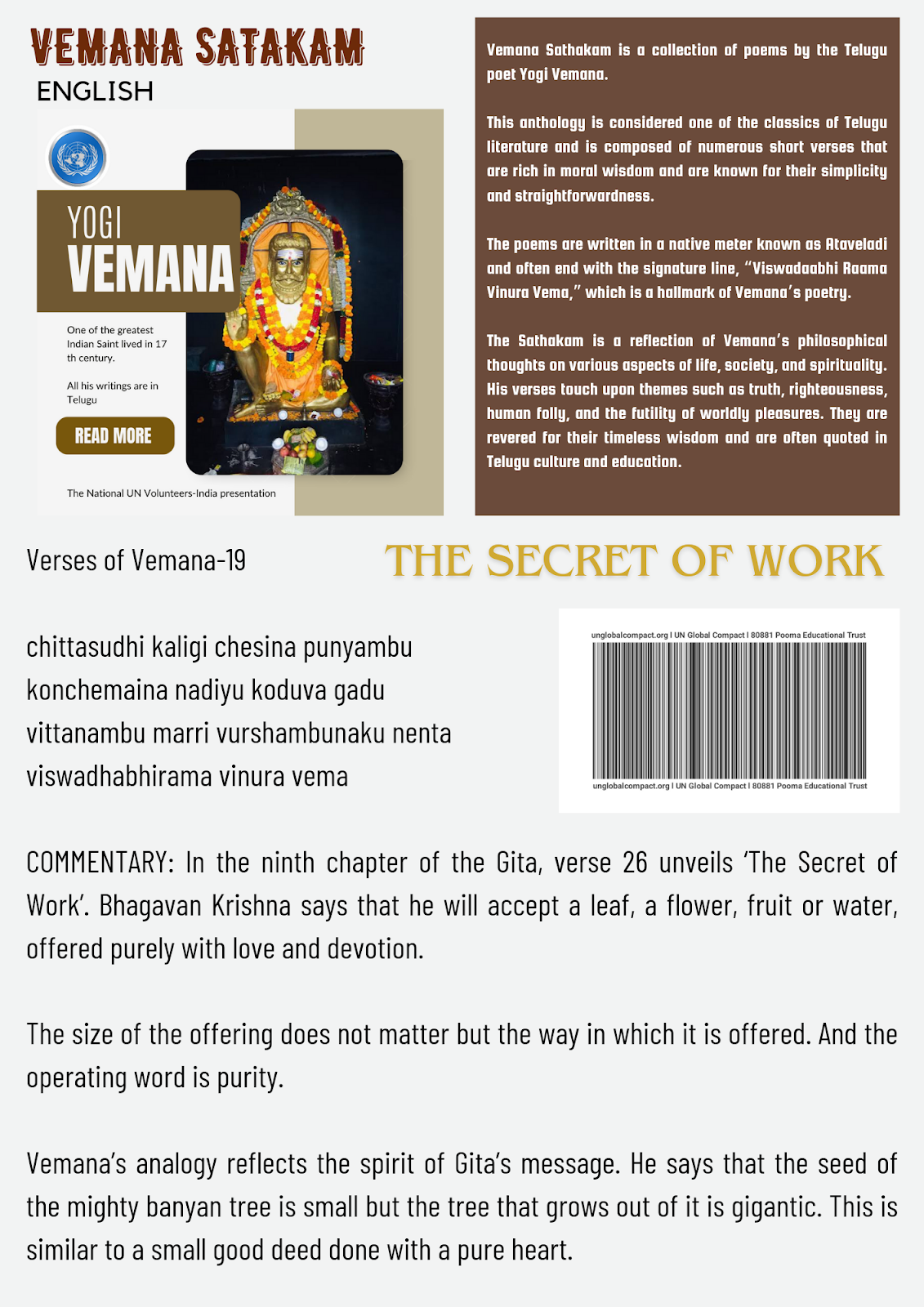
VEMANA SATHAKAM (1-10)

VEMANA SATHAKAM
❄️

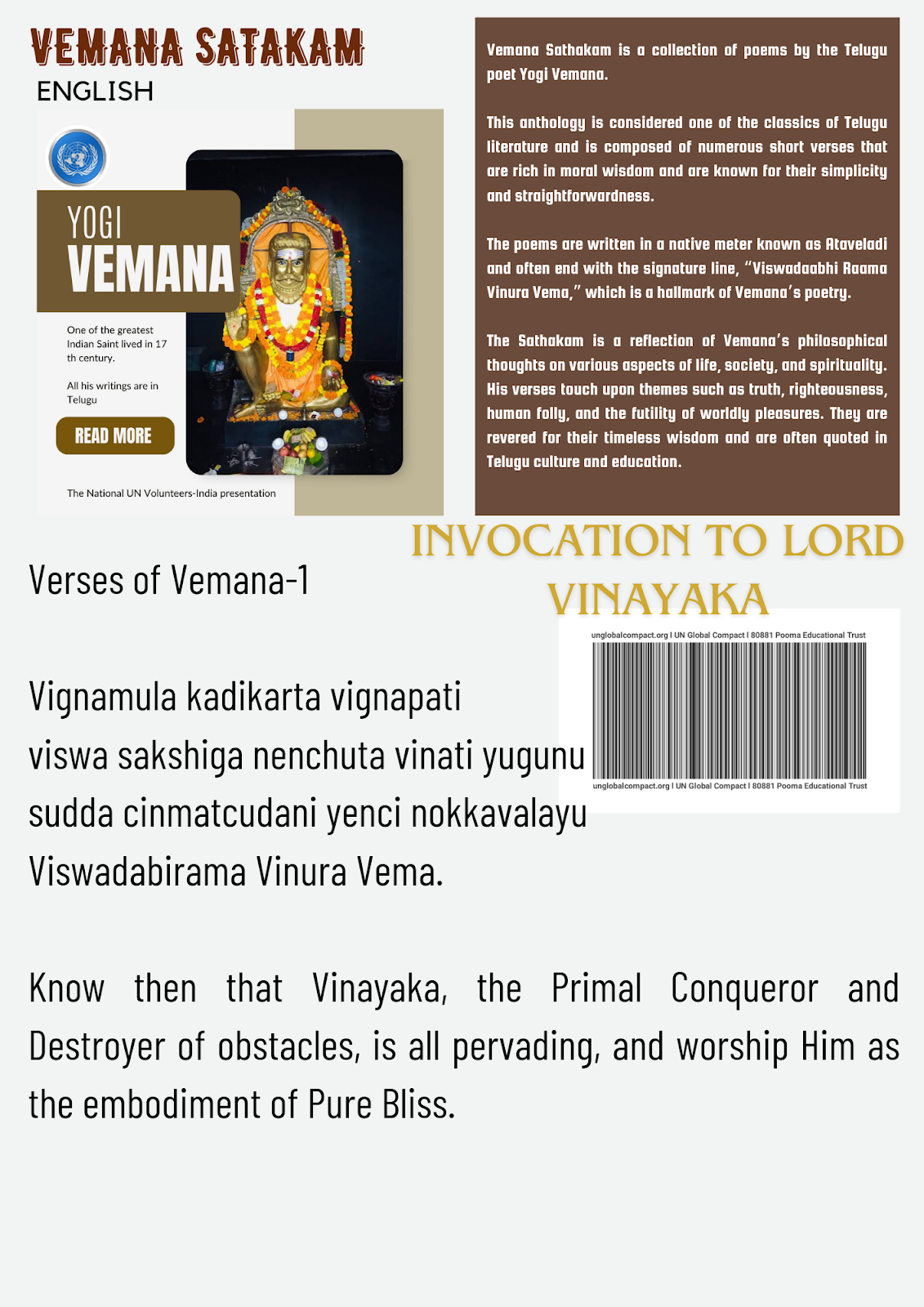
🍁INVOCATION TO LORD VINAYAKA

Verses of Vemana-1

Vignamula kadikarta vignapati
viswa sakshiga nenchuta vinati yugunu
sudda cinmatcudani yenci nokkavalayu
Viswadabirama Vinura Vema.

Know then that Vinayaka, the Primal Conqueror and Destroyer of obstacles, is all pervading, and worship Him as the embodiment of Pure Bliss.

விநாயகப் பெருமானுக்கு அர்ச்சனை

வேமனின் வசனங்கள்-1

விக்னமூல கடிகர்த விக்னபதி
விஸ்வ சாக்ஷிகா நெஞ்சுட வினாதி யுகுனு
சுத்த சின்மச்சுடனி யெஞ்சி நோக்கவலயு
விஸ்வாதபிராம வினுர வேமா.

முதன்முதலில் வெல்பவரும், தடைகளை அழிப்பவருமான விநாயகர் எல்லாவற்றிலும் வியாபித்திருக்கிறார் என்பதை அறிந்து, அவரைத் தூய பேரின்பத்தின் திருவுருவமாக வழிபடுங்கள்.

🍁THE POWER OF A TRUE GURU

Verses of Vemana-2

Guruni siksha leni gurutelu kaluguno
Ajunikaina vani yabba kaina
Talapu jevi leka talupetuluduno
Viswadabirama Vinura Vema.

COMMENTARY: ‘Guru’ and Acharya though used synonymously are not synonyms. Etymologically Guru means ‘giver of light’. Advayataraka Upanishad( 14–18, verse 5) states that the syllable ‘gu’ means darkness and the syllable ‘ru’ means he who dispels it. The guru is so named because of his power to dispel darkness.

Thus the Guru outshines all the lesser representatives of knowledge and wisdom. Knowing the need of a true guru in one’s divine quest Vemana says that none- not even Brahma or His begetter – come to the Supreme Wisdom without being under the training of the Guru. His analogy is simple: how can a door be unlocked without a key? Such is the power of a true Guru.

ஒரு உண்மையான குருவின் சக்தி

வேமனின் வசனங்கள்-2

வர்ணனை: 'குரு' மற்றும் ஆச்சார்யா ஆகியவை ஒத்த சொற்களாகப் பயன்படுத்தப்பட்டாலும் ஒத்த சொற்கள் அல்ல.  சொற்பிறப்பியல் ரீதியாக குரு என்றால் 'ஒளி தருபவர்'.  அத்வயதாரக உபநிஷத் (14–18, வசனம் 5) ‘கு’ என்றால் இருள் என்றும், ‘ரு’ என்றால் அதை நீக்குபவர் என்றும் கூறுகிறது.  இருளைப் போக்கும் சக்தியினால் குரு என்று பெயர் சூட்டப்பட்டது.

இவ்வாறு குரு அறிவு மற்றும் ஞானத்தின் அனைத்து குறைந்த பிரதிநிதிகளையும் மிஞ்சுகிறார்.  ஒருவரின் தெய்வீகத் தேடலில் உண்மையான குருவின் தேவையை அறிந்த வேமனன், பிரம்மாவோ அல்லது அவரைப் பிறப்பித்தவரோ கூட - குருவின் பயிற்சியின் கீழ் இல்லாமல் பரம ஞானத்திற்கு வரமாட்டார்கள் என்று கூறுகிறார்.  அவரது ஒப்புமை எளிமையானது: சாவி இல்லாமல் ஒரு கதவை எவ்வாறு திறக்க முடியும்?  உண்மையான குருவின் சக்தி அப்படித்தான்.

🍁THE GREATEST THREE

Verses of Vemana-3

Anni danamulanu anna daname goppa
kanna vari kante ghanulu leru
Enna guruni kanna nekkuva leraya
Viswadabirama Vinura Vema.

COMMENTARY: Three significant precepts close to the heart of the Indian tradition are presented in this verse. First, that giving food as charity is greater than all other forms of charity. Indian tradition is replete with men and women who put charity above self-interest. It is called Nara Yajna – Sacrifice for the Poor and Hungry. Second, that none are greater than one’s parents.

The story of Pundalik wonderfully illustrates this maxim. His worship of his parents is exemplary. This is what he says: ‘the real God for me is my parents and not Panduranga… Therefore, I worship them.’  Third, that there is none greater than the Guru-Preceptor. This does not contradict the second precept. It is nothing but extension to it.

முத்துக்கள் மூன்று

வேமனின் வசனங்கள்-3

அண்ணி தானமுலனு அன்ன தானமே கோபா
கண்ணா வரி கண்டே கனுலு ​​லேரு
என்ன குருணி கண்ணா நெக்குவாலேரயா
விஸ்வாதபிராம வினுர வேமா.

வர்ணனை: இந்திய பாரம்பரியத்தின் இதயத்திற்கு நெருக்கமான மூன்று முக்கியமான கட்டளைகள் இந்த வசனத்தில் வழங்கப்படுகின்றன.  முதலாவதாக, உணவைத் தொண்டு செய்வது மற்ற எல்லா வகையான தொண்டுகளையும் விட பெரியது.  சுயநலத்திற்கு மேல் தொண்டு செய்யும் ஆண்களும் பெண்களும் இந்திய பாரம்பரியம் நிரம்பியுள்ளது.  இது நர யக்ஞம் என்று அழைக்கப்படுகிறது - ஏழை மற்றும் பசியுள்ளவர்களுக்கான தியாகம்.  இரண்டாவதாக, ஒருவரின் பெற்றோரை விட யாரும் பெரியவர்கள் அல்ல.

புண்டலிக் கதை இந்த மாக்சியை அற்புதமாக விளக்குகிறது.  அவர் பெற்றோரை வழிபடுவது முன்னுதாரணமானது.  அவர் சொல்வது இதுதான்: ‘எனக்கு உண்மையான கடவுள் என் பெற்றோர், பாண்டுரங்கன் அல்ல... எனவே, நான் அவர்களை வணங்குகிறேன்.’ மூன்றாவதாக, குருவை விட பெரியவர் யாரும் இல்லை.  இது இரண்டாவது கட்டளைக்கு முரணாக இல்லை.  இது அதன் நீட்சியைத் தவிர வேறில்லை.

🍁HONOUR YOUR PARENTS

Verses of Vemana-4

Talli tandrulumeda daya leni putrundu
Puttanemi vadu gitta nemi
Puttaloni cadalu puttava gittava
Viswadabirama Vinura Vema.

COMMENTARY: Familial relationships are of primordial importance in the Indian culture especially the tradition of love and compassion, of respect towards one’s parents.

Jandyaala Papayya Sastri, popularly called Karunasree, the famous modern Telugu poet, author of Telugu Bala, wrote: Kashta pettaboku kanna talli manasu/ Nasta pettaboku nanna panulu/ Talli tandrulanna daiva sannibhulu ra/ Lalita suguna jala telugu bala.

Vemana isn’t as soft as Karunasree when it comes to presenting truths. He is bitingly trenchant. He compares children who are uncompassionate towards their parents to the termites in the anthill. They are as good as dead.

உங்கள் பெற்றோரை மதிக்கவும்

வேமனின் வசனங்கள்-4

தள்ளி தந்துருலுமேடா தயா லேனி புட்டுருந்து
புத்தனேமி வடு கிட்ட நேமி
புட்டலோனி சடலு புட்டவா கிட்டவா
விஸ்வாதபிராம வினுர வேமா.

வர்ணனை: குடும்ப உறவுகள் இந்திய கலாச்சாரத்தில் முதன்மையான முக்கியத்துவம் வாய்ந்தவை, குறிப்பாக அன்பு மற்றும் இரக்கத்தின் பாரம்பரியம், பெற்றோருக்கு மரியாதை.

பிரபல நவீன தெலுங்கு கவிஞர், தெலுங்கு பாலாவின் ஆசிரியர் கருணாஸ்ரீ என்று அழைக்கப்படும் ஜந்த்யாலா பாப்பய்யா சாஸ்திரி எழுதினார்: கஷ்ட பெத்தபோகு கண்ணா தல்லி மனசு/ நாஸ்தா பெத்தபோகு நன்னா பானுலு/ தல்லி தந்திருலன்னா தெய்வ சன்னிபுலு ரா/ லலிதா சுகுண ஜல தெலுங்கு பாலா.

உண்மைகளை முன்வைப்பதில் கருணாஸ்ரீ போல் மென்மை இல்லாதவர் வேமனார்.  அவர் கசப்பானவர்.  பெற்றோரிடம் கருணை காட்டாத குழந்தைகளை எறும்புப் புற்றில் இருக்கும் கரையான்களுக்கு ஒப்பிடுகிறார்.  அவர்கள் இறந்ததைப் போல நல்லவர்கள்.

🍁THE ILLUSION OF APPEARANCE

Verses of Vemana-5

Uppu Kappurambu nokka polika nundu
Chooda chooda ruchulu jaada veru
Purushulandu Punya purushulu veraya
Viswadhaabhiraama, Vinura Vema

COMMENTARY: Salt and camphor appear to be same. But on close examination, we discover that their tastes and their qualities are different. Human beings too are superficially similar. Externally they look alike. But on association, we find out that there is a lot of difference between just another human being and a great human being.

The idea conveyed here is that appearances are deceptive and so we should not be misled by our first impressions. We should exercise care in our dealings with people. In Shakespeare’s words, “one may smile, and smile, and be a villain.

தோற்றத்தின் மாயை

வேமனின் வசனங்கள்-5

உப்பு கப்புரம்பு நோக்க பொலிக நுண்டு
சூடா சூடா ருச்சுலு ஜாடா வெரு
புருஷுலந்து புண்யா புருஷுலு வேரயா
விஸ்வதாபிராம, வினுர வேமா

வர்ணனை: உப்பும் கற்பூரமும் ஒரே மாதிரியாகத் தோன்றும்.  ஆனால் கூர்ந்து ஆராயும்போது, ​​அவற்றின் ரசனைகளும் குணங்களும் வித்தியாசமாக இருப்பதைக் காண்கிறோம்.  மனிதர்களும் மேலோட்டமாக ஒரே மாதிரியானவர்கள்.  வெளிப்புறமாக, அவை ஒரே மாதிரியாக இருக்கும்.  ஆனால் சங்கத்தில், மற்றொரு மனிதனுக்கும் ஒரு சிறந்த மனிதனுக்கும் நிறைய வித்தியாசம் இருப்பதைக் காண்கிறோம்.

வெளித்தோற்றங்கள் ஏமாற்றுபவை, எனவே நம் முதல் அபிப்பிராயங்களால் நாம் தவறாக வழிநடத்தப்படக்கூடாது என்பதே இங்கு சொல்லப்படும் கருத்து.  மக்களுடன் பழகுவதில் கவனமாக இருக்க வேண்டும்.  ஷேக்ஸ்பியரின் வார்த்தைகளில், “ஒருவர் சிரிக்கலாம், புன்னகைக்கலாம், வில்லனாக இருக்கலாம்.

🍁A FOOL IN POWER

Verses of Vemana-6

Alpa buddivanikadikara michhina
Doddavarinella tolagagottu
Cheppu tinedi kukka cheruku tepi eruguna
Viswadabirama Vinura Vema.

COMMENTARY: Lord Acton’s epic warning that power tends to corrupt, and absolute power corrupts absolutely sounds like a page from the hoary verses of Vemana. While Acton’s warning is only half-truth, Vemana presents the complete truth.

Vemana says that when an imbecile gains power he lets loose a reign of terror on the meek and drives away the good.This since it is in the nature of the evil to cloud the good. And in a style, uniquely his own Vemana declares that the nincompoop is like the dog that gnaws at a leather slipper. It does not know the sweetness of sugarcane. Who would not understand an example as simple as this?

அதிகாரத்தில் ஒரு முட்டாள்

வேமனின் வசனங்கள்-6

அல்ப புத்திவநிகடிகார மிச்சினா
தொட்டவாரினெல்லா தொலககோட்டு
செப்பு திணேடி குக்க செருக்கு தேபி எருகுனா
விஸ்வாதபிராம வினுர வேமா.

வர்ணனை: அதிகாரம் கெட்டுப்போகும், முழுமையான அதிகாரம் கெடுக்கும் என்ற லார்ட் ஆக்டனின் காவிய எச்சரிக்கை, வேமனனின் கதறல் வசனங்களில் இருந்து ஒரு பக்கம் போல் தெரிகிறது.  ஆக்டனின் எச்சரிக்கை அரை உண்மை மட்டுமே என்றாலும், வேமனா முழுமையான உண்மையை முன்வைக்கிறார்.

ஒரு அயோக்கியன் அதிகாரம் பெற்றால், அவன் சாந்தகுணமுள்ளவர்களின் மீது பயங்கர ஆட்சியை விடுவித்து, நல்லவர்களை விரட்டுகிறான் என்று வேமனா கூறுகிறார். இது தீயவர்களின் இயல்பு நல்லவர்களை மறைப்பதுதான்.  மற்றும் ஒரு பாணியில், தனித்துவமாக அவரது சொந்த வேமனா நின்கம்பூப் தோல் செருப்பைக் கடிக்கிற நாய் போன்றது என்று அறிவித்தார்.  கரும்பின் இனிமை அதற்குத் தெரியாது.  இதைப் போன்ற எளிமையான உதாரணத்தை யார் புரிந்து கொள்ள மாட்டார்கள்?

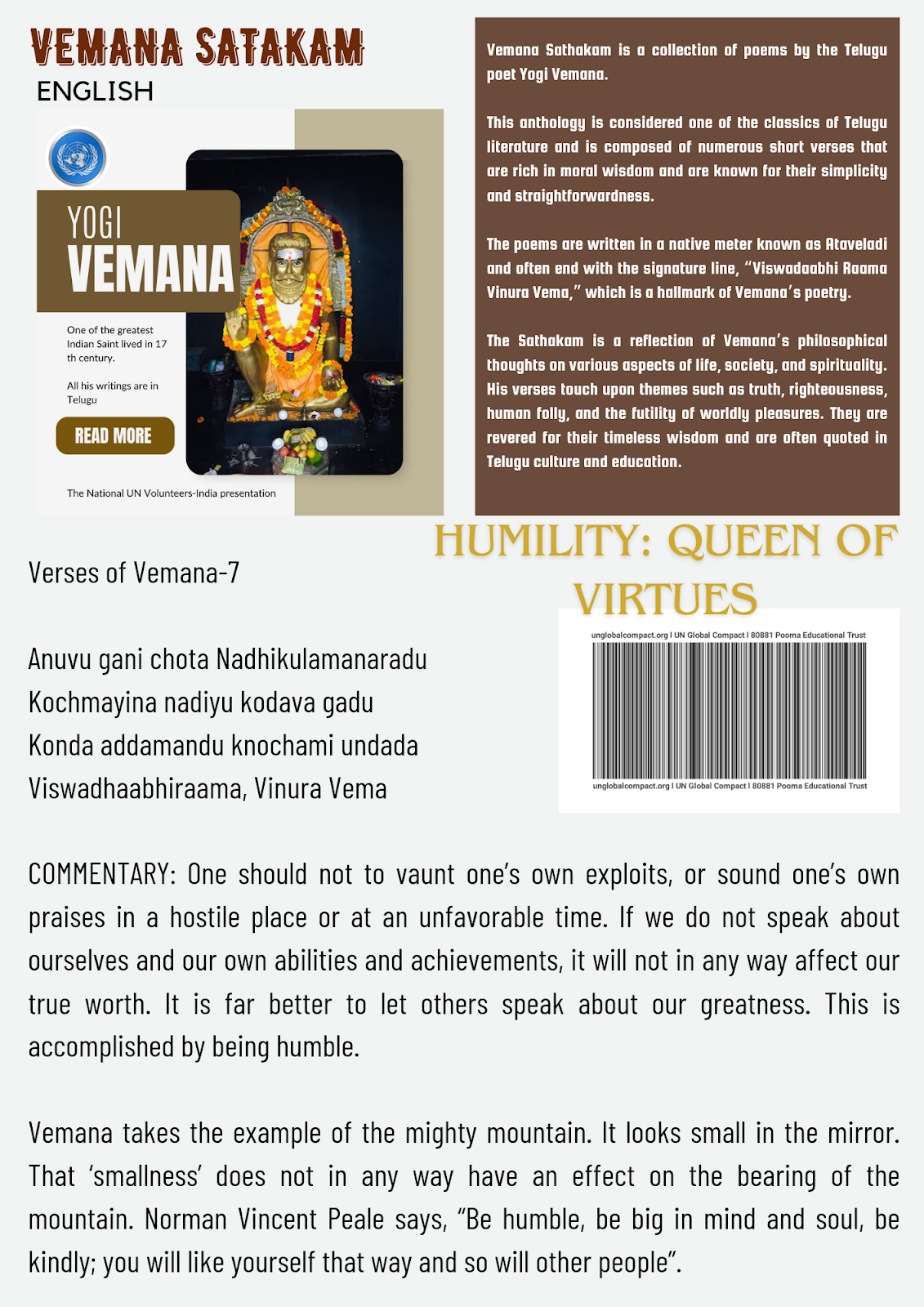
🍁HUMILITY: QUEEN OF VIRTUES

Verses of Vemana-7

Anuvu gani chota Nadhikulamanaradu
Kochmayina nadiyu kodava gadu
Konda addamandu knochami undada
Viswadhaabhiraama, Vinura Vema

COMMENTARY: One should not to vaunt one’s own exploits, or sound one’s own praises in a hostile place or at an unfavorable time. If we do not speak about ourselves and our own abilities and achievements, it will not in any way affect our true worth. It is far better to let others speak about our greatness. This is accomplished by being humble.

Vemana takes the example of the mighty mountain. It looks small in the mirror. That ‘smallness’ does not in any way have an effect on the bearing of the mountain. Norman Vincent Peale says, “Be humble, be big in mind and soul, be kindly; you will like yourself that way and so will other people”.

பணிவு: நற்பண்புகளின் ராணி

வேமனின் வசனங்கள்-7

அனுவு கனி சோட்டா நதிகுலமனறது
கோச்மைனா நதியு கொடவா காடு
கொண்டா அடமந்து க்னோச்சாமி உண்டாடா
விஸ்வதாபிராம, வினுர வேமா

வர்ணனை: ஒருவர் தனது சொந்த சுரண்டல்களை பெருமைப்படுத்தக்கூடாது, அல்லது ஒரு விரோதமான இடத்தில் அல்லது சாதகமற்ற நேரத்தில் ஒருவரின் சொந்த புகழ்ச்சியை ஒலிக்கக்கூடாது.  நம்மைப் பற்றியும், நமது திறமைகள் மற்றும் சாதனைகளைப் பற்றியும் பேசாமல் இருந்தால், அது நமது உண்மையான மதிப்பை எந்த வகையிலும் பாதிக்காது.  நமது மகத்துவத்தைப் பற்றி மற்றவர்கள் பேச அனுமதிப்பது மிகவும் நல்லது.  அடக்கமாக இருப்பதன் மூலம் இது நிறைவேற்றப்படுகிறது.

வேமனன் வலிமைமிக்க மலையை உதாரணம் காட்டுகிறான்.  கண்ணாடியில் சிறியதாகத் தெரிகிறது.  அந்த ‘சிறுமை’ மலையைத் தாங்குவதில் எந்த விதத்திலும் பாதிப்பை ஏற்படுத்தாது.  நார்மன் வின்சென்ட் பீலே கூறுகிறார், “அடமையாக இருங்கள், மனதிலும் ஆன்மாவிலும் பெரியவராக இருங்கள், கனிவாக இருங்கள்;  நீங்கள் உங்களை அப்படி விரும்புவீர்கள், மற்றவர்களும் விரும்புவார்கள்."

🍁HEART: HANDLE WITH CARE

Verses of Vemana-8

Inumu virigeneni irumaru mummaru
Kaci atakavaccu kramanuganu
Manasu virigeneni mari chercharadaya
Viswadabirama Vinura Vema.

COMMENTARY: Though time is the greatest healer, even it cannot completely erase the hurt that has been inflicted on the heart. We only come to terms with it and get on with our lives. An article made of iron, though it breaks many times can be melted or welded and restored to its original shape. This does not, however, happen with the heart that has been struck with a poisonous arrow.

So, due care should be taken when dealing with the tender human emotions lest one should cause undue pain to those we love the most.  It is best to follow the adage: Help ever, Hurt never.

இதயம்: கவனமாகக் கையாளவும்

வேமனின் வசனங்கள்-8

இனுமு விரிகெனேனி இருமாறு மும்மரு
காசி அடகவச்சு கிராமனுகனு
மனசு விரிகெனேனி மாரி செர்ச்சரடய
விஸ்வாதபிராம வினுர வேமா.

வர்ணனை: காலம் மிகப் பெரிய குணப்படுத்துபவராக இருந்தாலும், இதயத்தில் ஏற்படுத்திய காயத்தை அது முழுவதுமாக அழிக்க முடியாது.  நாம் அதை மட்டுமே புரிந்துகொண்டு நம் வாழ்க்கையை நடத்துகிறோம்.  இரும்பினால் செய்யப்பட்ட ஒரு பொருள், பல முறை உடைந்தாலும், உருக்கி அல்லது வெல்டிங் செய்து அதன் அசல் வடிவத்திற்கு மீட்டெடுக்கலாம்.  இருப்பினும், நச்சு அம்பினால் தாக்கப்பட்ட இதயத்தில் இது நடக்காது.

எனவே, மென்மையான மனித உணர்வுகளைக் கையாளும் போது, ​​நாம் மிகவும் விரும்புவோருக்குத் தேவையற்ற வலியை உண்டாக்காமல் இருக்க, தகுந்த எச்சரிக்கையுடன் இருக்க வேண்டும்.   எப்பொழுதும் உதவுங்கள், ஒருபோதும் காயப்படுத்தாதீர்கள் என்ற பழமொழியைப் பின்பற்றுவது சிறந்தது.

🍁LOVING WHAT WE DO

Verses of Vemana – 9

Gangi govu paalu garitadainanu chaalu
Kadivedainanemi kharamu paalu
Bhakti kalugu koodu pattedainanu chaalu
Viswadhaabhiraama, Vinura Vema

COMMENTARY: This verse of Vemana finds a fine example in Mother Teresa. She spoke the same idiom when she said: “It is not how much we do, but how much love we put in the doing. It is not how much we give, but how much love we put in the giving!” The value of what we do is directly proportional to the amount of ‘heart’ we put into it. Vemana presents the idea succinctly. He declares that a ladleful of milk of a holy cow is more valuable than a potful of donkey’s milk. That says it all.

நாம் செய்வதை விரும்புகிறோம்

வேமனன் வசனங்கள் – 9

கங்கி கோவு பாலு கரிதடைனானு சாலு
கடிவேதைனநேமி காரமு பாலு
பக்தி கழுகு கூடு பட்டேடைனானு சாலு
விஸ்வதாபிராம, வினுர வேமா

வர்ணனை: வேமனின் இந்த வசனம் அன்னை தெரசாவின் சிறந்த உதாரணத்தைக் காண்கிறது.  அவர்கள் சொன்னபோது அதே பழமொழியைப் பேசினார்கள்: “நாம் எவ்வளவு செய்கிறோம் என்பது அல்ல, ஆனால் செய்வதில் எவ்வளவு அன்பு செலுத்துகிறோம்.  நாம் எவ்வளவு கொடுக்கிறோம் என்பதல்ல, கொடுப்பதில் எவ்வளவு அன்பு செலுத்துகிறோம் என்பதுதான்!"  நாம் செய்யும் செயல்களின் மதிப்பு நாம் அதில் வைக்கும் 'இதயத்தின்' அளவிற்கு நேரடியாக விகிதாசாரமாகும்.  அந்தக் கருத்தைச் சுருக்கமாக முன்வைக்கிறார் வேமனார்.  ஒரு பானை கழுதைப்பாலை விட புனிதமான பசுவின் ஒரு டம்ளர் பால் மதிப்புமிக்கது என்று அவர் அறிவிக்கிறார்.  அது அனைத்தையும் கூறுகிறது.

🍁POETRY WITHOUT SOUL

Verses of Vemana – 10

Nikka maina manchi nelamokkati chalu
Taluku beluku rallu tattedela
Chatu padyamulanu chalada okkati
Viswadhaabhiraama, Vinura Vema.

COMMENTARY: In the Dhammapada, the Buddha says that a single line of verse that brings peace is better than thousand verses composed of meaningless lines. Vemana echoes the wisdom of the two-millennium old words of the Enlightened One in this verse. In his classic inimitable manner, his, Vemana states that one real sapphire is infinitely more precious than a basketful of glassy stones. Who would want to trade a genuine gem for a spurious one? In a world of verses that are produced by the second, of poetry without soul, without purpose, a jewel of a poem, one soulful verse, suffices.

ஆன்மா இல்லாத கவிதை

வேமனின் வசனங்கள் – 10

நிக்க மைன மஞ்சி நெலமொக்கடி சாலு
தாலுகு பெலுகு ரல்லு தட்டேடேல
சாட்டு பத்யமுலனு சாலடா ஒக்கடி
விஸ்வதாபிராம, வினுர வேமா.

வர்ணனை: தம்மபதத்தில், அர்த்தமற்ற வரிகளால் ஆன ஆயிரம் வசனங்களைக் காட்டிலும் அமைதியைத் தரும் ஒற்றை வரியே சிறந்தது என்று புத்தர் கூறுகிறார்.  ஞானசம்பந்தரின் இரண்டாயிரமாண்டு பழமையான சொற்களின் ஞானத்தை வேமனன் இப்பாடலில் எதிரொலிக்கிறார்.  அவரது உன்னதமான ஒப்பற்ற முறையில், ஒரு கூடைநிறைய கண்ணாடிக் கற்களை விட ஒரு உண்மையான நீலக்கல் எண்ணற்ற விலைமதிப்பற்றது என்று வேமனன் கூறுகிறார்.  ஒரு உண்மையான ரத்தினத்தை போலியான ஒன்றிற்கு யார் வர்த்தகம் செய்ய விரும்புகிறார்கள்?  ஆன்மா இல்லாத, நோக்கமில்லாத கவிதை, இரண்டாவதாக உருவாகும் வசனங்களின் உலகில், ஒரு கவிதையின் நகை, ஒரு ஆத்மார்த்தமான வசனம் போதும்.

Sunday, May 12, 2024

Shankaracharya Jayanti 2024: May 12, 2024


Shankaracharya Jayanti 2024: May 12, 2024
தமிழில்

The serene month of May is not just about blooming flowers and warm breezes; it carries with it the essence of spiritual celebration, especially for adherents of Hinduism. Among the numerous festivals that adorn the calendar, Shankaracharya Jayanti holds a special place. This auspicious occasion commemorates the birth anniversary of Adi Shankaracharya, the revered philosopher, and theologian who profoundly influenced the course of Hinduism. As we delve into the profundity of Shankaracharya Jayanti 2024, let’s unravel its date, history, significance, and the fervor with which it is celebrated across India.

🔰Date of Shankaracharya Jayanti 2024:

In the year 2024, Shankaracharya Jayanti marks the 1236th Birth Anniversary of Adi Shankaracharya. This grand celebration is slated to take place on Sunday, May 12, 2024. It’s a day when devotees pay homage to the divine saint who enriched the spiritual fabric of India with his profound teachings.

🔰History of Shankaracharya Jayanti 2024:

Shankaracharya Jayanti commemorates the birth anniversary of Adi Shankaracharya, highlighting his enduring influence on Indian philosophy and spirituality. Despite his short lifespan of only 32 years, Adi Shankaracharya’s teachings continue to inspire millions of people to this day. His establishment of the Advaita Vedanta school of philosophy, which emphasizes the concept of non-duality, has had a lasting impact on Hindu thought. In conclusion, Shankaracharya Jayanti serves as a reminder of the enduring legacy of Adi Shankaracharya and his invaluable contributions to Indian culture and spirituality.

Furthermore, Adi Shankaracharya’s contributions to Hindu philosophy are monumental. He traveled extensively, engaging in intellectual discourses and debates with scholars of various philosophical schools. His teachings emphasized the concept of Advaita Vedanta, which asserts the ultimate unity of the individual soul (Atman) with the universal consciousness (Brahman). Through his profound commentaries on ancient scriptures and the establishment of monastic institutions known as mathas, Adi Shankaracharya revitalized the spiritual landscape of India.

Shankaracharya Jayanti is a tribute to the enduring legacy of Adi Shankaracharya. It serves as a reminder of his invaluable contributions to the preservation and propagation of Hindu philosophy and spirituality.

🔰Significance of Shankaracharya Jayanti:

Shankaracharya Jayanti holds profound significance for followers of Hinduism, as it celebrates the life and teachings of Adi Shankaracharya. His philosophy of Advaita Vedanta continues to inspire seekers on the path of spiritual enlightenment. The celebration of Shankaracharya Jayanti serves as an occasion for devotees to reflect on the timeless wisdom imparted by the saint and to rededicate themselves to the pursuit of spiritual knowledge.

Furthermore, the essence of Shankaracharya Jayanti lies in its emphasis on the unity of all existence. Adi Shankaracharya’s teachings emphasize the underlying unity of the individual soul with the divine, transcending distinctions of caste, creed, and gender. This message of unity and universal brotherhood resonates deeply with devotees, inspiring them to cultivate virtues of compassion, tolerance, and understanding.

Moreover, Shankaracharya Jayanti serves as a cultural celebration, bringing communities together in joyous festivities. Additionally, temples and spiritual organizations organize special prayers, discourses, and cultural events to commemorate the occasion. It is a time for devotees to seek blessings, engage in acts of charity, and strengthen their spiritual resolve.

In essence, Shankaracharya Jayanti is more than just a historical event; it is a celebration of spiritual heritage and a reminder of the eternal truths that guide humanity on its quest for enlightenment.

🔰Traditions And Rituals Of Shankaracharya Jayanti:

Shankaracharya Jayanti is steeped in rich traditions and rituals that add depth and meaning to the celebration. These age-old practices connect devotees with the spiritual essence of Adi Shankaracharya’s teachings and serve as a conduit for seeking divine blessings. Let’s explore some of the key traditions observed during Shankaracharya Jayanti:

1. Early Morning Rituals:

Devotees begin the day with auspicious rituals, often before the break of dawn. It is customary to take a ritual bath in sacred rivers or water bodies, symbolizing purification of the body and soul. This act of cleansing signifies the readiness to embark on a spiritual journey and seek the blessings of the divine.

2. Offerings and Prayers:

Additionally, temples dedicated to Adi Shankaracharya witness a flurry of activity on Shankaracharya Jayanti. Devotees throng the sanctum sanctorum to offer prayers, flowers, incense, and other symbolic offerings to the deity. Furthermore, special puja ceremonies are conducted by priests, invoking the blessings of Adi Shankaracharya for spiritual upliftment and guidance.

3. Recitation of Hymns and Scriptures:

One of the hallmarks of Shankaracharya Jayanti is the recitation of hymns and sacred scriptures composed by Adi Shankaracharya himself. Devotees gather in temples and community halls to chant verses from texts such as the Vivekachudamani, Bhaja Govindam, and Soundarya Lahari. These spiritual compositions resonate with profound insights into the nature of reality and the path to self-realization.

4. Philosophical Discourses:

Additionally, Shankaracharya Jayanti provides a platform for scholars and spiritual leaders to impart wisdom and elucidate the teachings of Adi Shankaracharya. Moreover, discourses and lectures are organized to delve deeper into the philosophical underpinnings of Advaita Vedanta. Furthermore, these intellectual exchanges serve to enrich the understanding of devotees and inspire them on their spiritual journey.

5. Act of Charity:

Charity is an integral part of Shankaracharya Jayanti celebrations. Devotees believe in the principle of seva or selfless service, and therefore, engage in acts of charity such as feeding the poor, donating to the needy, and supporting charitable causes. These acts of kindness reflect the spirit of compassion and generosity advocated by Adi Shankaracharya.

6. Fasting and Vrat:

Some devotees observe fasts or vrat (austerities) on Shankaracharya Jayanti as a mark of devotion and penance. Fasting is believed to purify the body and mind, allowing devotees to focus their energies on spiritual pursuits. It is also seen as a way of expressing gratitude to the saint and seeking his blessings for spiritual growth and enlightenment.

In essence, the traditions and rituals of Shankaracharya Jayanti serve as a means of connecting with the divine and honoring the profound legacy of Adi Shankaracharya. Through these sacred practices, devotees seek to imbibe the timeless wisdom of the saint and deepen their spiritual journey toward self-realization and inner peace.

🔰Best Places to Celebrate Shankaracharya Jayanti in India:

India, with its rich cultural heritage, offers numerous locations where Shankaracharya Jayanti is celebrated with great pomp and fervor.

Some of the best places to experience the festivities include:

🫧Kalady, Kerala: The birthplace of Adi Shankaracharya, Kalady, becomes a hub of activity during Shankaracharya Jayanti. Pilgrims throng the Adi Shankara Keerthi Sthambha Mandapam and other revered sites associated with the saint.

🫧Varanasi, Uttar Pradesh: The ancient city of Varanasi, also known as Kashi, reverberates with spiritual energy during Shankaracharya Jayanti. Devotees flock to the Vishwanath Temple and the various ghats along the sacred Ganges River to partake in rituals and ceremonies.

🫧Sringeri, Karnataka: Home to one of the four mathas established by Adi Shankaracharya, Sringeri celebrates Shankaracharya Jayanti with grandeur. The Sharadamba Temple and the Shankaracharya Hill are focal points of the festivities.

🫧Puri, Odisha: The Jagannath Temple in Puri witnesses a surge of devotees during Shankaracharya Jayanti. Special rituals and processions are organized to pay homage to the saint and seek divine blessings.

🔰Significant Contributions of Shankaracharya:

Adi Shankaracharya’s influence on Hindu philosophy and spirituality is immeasurable, and his contributions continue to shape the spiritual landscape of India and beyond. Let’s delve deeper into the significant contributions of this revered saint in simple terms:

1. Revival of Vedic Knowledge:

Additionally, Adi Shankaracharya played a pivotal role in reviving and preserving the ancient Vedic knowledge that forms the foundation of Hinduism. Through his profound commentaries on the Vedas, Upanishads, and other sacred texts, he elucidated complex philosophical concepts and made them accessible to seekers of all backgrounds.

2. Advaita Vedanta Philosophy:

Additionally, Adi Shankaracharya is most renowned for propounding the philosophy of Advaita Vedanta, which asserts the non-dual nature of reality. According to Advaita Vedanta, the ultimate reality (Brahman) is devoid of any distinctions and is identical with the individual soul (Atman). Moreover, Shankaracharya’s teachings emphasized the unity of existence and the inherent divinity within all beings.

3. Establishment of Mathas:

Additionally, Adi Shankaracharya founded four prominent monastic institutions known as mathas in different parts of India. Furthermore, these mathas served as centers of learning and spiritual practice, where scholars and disciples could engage in the study of scriptures, philosophical debates, and meditation. Consequently, the mathas continue to uphold Shankaracharya’s legacy and propagate his teachings to this day.

4. Commentaries and Textual Exegesis:

Shankaracharya authored numerous commentaries on ancient scriptures, providing profound insights and interpretations that have guided generations of spiritual aspirants. Moreover, his commentaries on the Bhagavad Gita, Brahma Sutras, and other foundational texts are revered for their clarity, depth, and philosophical rigor.

5. Consolidation of Hindu Traditions:

Additionally, Adi Shankaracharya played a crucial role in consolidating various strands of Hindu thought and practice. He sought to harmonize divergent sects and traditions within Hinduism, emphasizing their underlying unity and shared spiritual goals. Furthermore, Shankaracharya’s efforts helped to foster a sense of unity and cohesion within the Hindu community.

6. Promotion of Spiritual Values:

Throughout his life, Adi Shankaracharya embodied the highest ideals of Hindu spirituality. Moreover, he emphasized the importance of ethical conduct, devotion to God, and service to humanity as essential aspects of the spiritual path. Consequently, Shankaracharya’s exemplary life serves as a beacon of inspiration for seekers striving to lead a life of virtue and righteousness.

In summary, Adi Shankaracharya’s profound contributions have left an indelible mark on the fabric of Hinduism and spiritual philosophy. His teachings continue to inspire millions of individuals seeking truth, wisdom, and inner peace, making him a revered figure not only in India but also in the hearts of spiritual seekers worldwide.

Conclusion:

In conclusion, Shankaracharya Jayanti is not merely a commemoration of a historical figure. It is a celebration of timeless wisdom and spiritual heritage. As we honor Adi Shankaracharya’s legacy, let us reflect on the profound teachings he imparted. Let us strive to emulate the values of knowledge, compassion, and unity that he exemplified.

சங்கராச்சாரியார் ஜெயந்தி 2024: மே 12, 2024

மே மாத அமைதியான மாதம் பூக்கும் மலர்கள் மற்றும் சூடான காற்று மட்டுமல்ல;  இது ஆன்மீக கொண்டாட்டத்தின் சாரத்தை எடுத்துச் செல்கிறது, குறிப்பாக இந்து மதத்தை பின்பற்றுபவர்களுக்கு.  நாட்காட்டியை அலங்கரிக்கும் எண்ணற்ற விழாக்களில் சங்கராச்சாரியார் ஜெயந்திக்கு தனி இடம் உண்டு.  இந்து மதத்தின் போக்கை ஆழமாக பாதித்த புகழ்பெற்ற தத்துவஞானி மற்றும் இறையியலாளர் ஆதி சங்கராச்சாரியாரின் பிறந்தநாளை இந்த புனிதமான நிகழ்வு நினைவுகூருகிறது.  சங்கராச்சாரியார் ஜெயந்தி 2024 இன் ஆழத்தை நாம் ஆராயும்போது, ​​அதன் தேதி, வரலாறு, முக்கியத்துவம் மற்றும் இந்தியா முழுவதும் அது கொண்டாடப்படும் உற்சாகத்தை அவிழ்ப்போம்.

🔰சங்கராச்சாரியார் ஜெயந்தி 2024 தேதி:

2024 ஆம் ஆண்டில், சங்கராச்சாரியார் ஜெயந்தி ஆதி சங்கராச்சாரியாரின் 1236 வது பிறந்த நாளைக் குறிக்கிறது.  இந்த பிரமாண்டமான கொண்டாட்டம் ஞாயிற்றுக்கிழமை, மே 12, 2024 அன்று நடைபெற உள்ளது. தனது ஆழ்ந்த போதனைகளால் இந்தியாவின் ஆன்மீக அமைப்பை வளப்படுத்திய தெய்வீக துறவிக்கு பக்தர்கள் மரியாதை செலுத்தும் நாள்.

🔰சங்கராச்சாரியார் ஜெயந்தி 2024 வரலாறு:

சங்கராச்சாரியார் ஜெயந்தி, ஆதி சங்கராச்சாரியாரின் பிறந்தநாளை நினைவுகூருகிறது, இது இந்திய தத்துவம் மற்றும் ஆன்மீகத்தின் மீதான அவரது நீடித்த தாக்கத்தை எடுத்துக்காட்டுகிறது.  அவரது குறுகிய ஆயுட்காலம் 32 ஆண்டுகள் மட்டுமே என்றாலும், ஆதி சங்கராச்சாரியாரின் போதனைகள் இன்றுவரை மில்லியன் கணக்கான மக்களை ஊக்கப்படுத்துகின்றன.  இருமை இல்லாத கருத்தை வலியுறுத்தும் அத்வைத வேதாந்த தத்துவப் பள்ளியை அவர் நிறுவியது இந்து சிந்தனையில் நீடித்த தாக்கத்தை ஏற்படுத்தியுள்ளது.  முடிவில், சங்கராச்சாரியார் ஜெயந்தி ஆதி சங்கராச்சாரியாரின் நீடித்த மரபு மற்றும் இந்திய கலாச்சாரம் மற்றும் ஆன்மீகத்திற்கு அவர் ஆற்றிய விலைமதிப்பற்ற பங்களிப்பை நினைவூட்டுகிறது.

மேலும், இந்து மெய்யியலுக்கு ஆதி சங்கராச்சாரியாரின் பங்களிப்புகள் மகத்தானவை.  அவர் பல்வேறு தத்துவப் பள்ளிகளின் அறிஞர்களுடன் அறிவுசார் சொற்பொழிவுகளிலும் விவாதங்களிலும் ஈடுபட்டு, விரிவாகப் பயணம் செய்தார்.  அவரது போதனைகள் அத்வைத வேதாந்தத்தின் கருத்தை வலியுறுத்தியது, இது தனிப்பட்ட ஆன்மாவின் (ஆத்மா) உலகளாவிய உணர்வுடன் (பிரம்மன்) இறுதி ஐக்கியத்தை வலியுறுத்துகிறது.  பண்டைய நூல்கள் மற்றும் மடங்கள் எனப்படும் துறவற நிறுவனங்களை நிறுவியதன் மூலம், ஆதி சங்கராச்சாரியார் இந்தியாவின் ஆன்மீக நிலப்பரப்பை புத்துயிர் அளித்தார்.

சங்கராச்சாரியார் ஜெயந்தி என்பது ஆதி சங்கராச்சாரியாரின் நீடித்த மரபுக்கு அஞ்சலி.  இந்து தத்துவம் மற்றும் ஆன்மீகத்தைப் பாதுகாப்பதற்கும் பரப்புவதற்கும் அவர் ஆற்றிய விலைமதிப்பற்ற பங்களிப்பை நினைவூட்டுவதாக இது அமைகிறது.

🔰சங்கராச்சாரியார் ஜெயந்தியின் முக்கியத்துவம்:

ஆதி சங்கராச்சாரியாரின் வாழ்க்கை மற்றும் போதனைகளைக் கொண்டாடும் சங்கராச்சாரியார் ஜெயந்தி இந்து மதத்தைப் பின்பற்றுபவர்களுக்கு ஆழமான முக்கியத்துவத்தைக் கொண்டுள்ளது.  அத்வைத வேதாந்தத்தின் அவரது தத்துவம் ஆன்மீக அறிவொளியின் பாதையில் தேடுபவர்களை தொடர்ந்து ஊக்குவிக்கிறது.  சங்கராச்சாரியார் ஜெயந்தி கொண்டாட்டம், துறவியால் வழங்கப்பட்ட காலமற்ற ஞானத்தைப் பற்றி சிந்திக்கவும், ஆன்மீக அறிவைப் பின்தொடர்வதற்காக தங்களை மீண்டும் அர்ப்பணிக்கவும் பக்தர்களுக்கு ஒரு சந்தர்ப்பமாக உதவுகிறது.

மேலும், சங்கராச்சாரியார் ஜெயந்தியின் சாராம்சம் அனைத்து இருப்புகளின் ஒற்றுமையை வலியுறுத்துவதில் உள்ளது.  ஆதி சங்கராச்சாரியாரின் போதனைகள் சாதி, மதம் மற்றும் பாலின வேறுபாடுகளுக்கு அப்பாற்பட்ட தெய்வீகத்துடன் தனிப்பட்ட ஆன்மாவின் அடிப்படையான ஒற்றுமையை வலியுறுத்துகின்றன.  ஒற்றுமை மற்றும் உலகளாவிய சகோதரத்துவத்தின் இந்த செய்தி பக்தர்களிடம் ஆழமாக எதிரொலிக்கிறது, இரக்கம், சகிப்புத்தன்மை மற்றும் புரிதல் போன்ற நற்பண்புகளை வளர்க்க அவர்களை ஊக்குவிக்கிறது.

மேலும், சங்கராச்சாரியார் ஜெயந்தி ஒரு கலாச்சார கொண்டாட்டமாக செயல்படுகிறது, இது மகிழ்ச்சியான கொண்டாட்டங்களில் சமூகங்களை ஒன்றிணைக்கிறது.  கூடுதலாக, கோவில்கள் மற்றும் ஆன்மீக அமைப்புகள் சிறப்பு பிரார்த்தனைகள், சொற்பொழிவுகள் மற்றும் கலாச்சார நிகழ்வுகளை இந்த நிகழ்வை நினைவுகூரும் வகையில் ஏற்பாடு செய்கின்றன.  பக்தர்கள் ஆசி பெறவும், தொண்டு செயல்களில் ஈடுபடவும், ஆன்மீக உறுதியை வலுப்படுத்தவும் வேண்டிய நேரம் இது.

சாராம்சத்தில், சங்கராச்சாரியார் ஜெயந்தி என்பது ஒரு வரலாற்று நிகழ்வு மட்டுமல்ல;  இது ஆன்மீக பாரம்பரியத்தின் கொண்டாட்டம் மற்றும் அறிவொளிக்கான தேடலில் மனிதகுலத்திற்கு வழிகாட்டும் நித்திய உண்மைகளை நினைவூட்டுகிறது.

🔰சங்கராச்சாரியார் ஜெயந்தியின் மரபுகள் மற்றும் சடங்குகள்:

சங்கராச்சாரியார் ஜெயந்தி கொண்டாட்டத்திற்கு ஆழத்தையும் அர்த்தத்தையும் சேர்க்கும் செழுமையான மரபுகள் மற்றும் சடங்குகளில் மூழ்கியுள்ளது.  இந்த பழமையான நடைமுறைகள் பக்தர்களை ஆதி சங்கராச்சாரியாரின் போதனைகளின் ஆன்மீக சாரத்துடன் இணைக்கிறது மற்றும் தெய்வீக ஆசீர்வாதங்களைப் பெறுவதற்கான ஒரு வழியாக செயல்படுகிறது.  சங்கராச்சாரியார் ஜெயந்தியின் போது கடைபிடிக்கப்படும் சில முக்கிய மரபுகளை ஆராய்வோம்:

1. அதிகாலை சடங்குகள்:

பெரும்பாலும் விடியற்காலைக்கு முன்னதாகவே பக்தர்கள் புனிதமான சடங்குகளுடன் நாளைத் தொடங்குகிறார்கள்.  உடலையும் ஆன்மாவையும் தூய்மைப்படுத்துவதைக் குறிக்கும் புனித நதிகள் அல்லது நீர்நிலைகளில் சடங்கு ஸ்நானம் செய்வது வழக்கம்.  இந்தச் சுத்திகரிப்புச் செயல் ஆன்மீகப் பயணத்தைத் தொடங்குவதற்கும் தெய்வீக ஆசீர்வாதங்களைப் பெறுவதற்கும் தயாராக இருப்பதைக் குறிக்கிறது.

2. பிரசாதம் மற்றும் பிரார்த்தனை:

கூடுதலாக, ஆதி சங்கராச்சாரியாருக்கு அர்ப்பணிக்கப்பட்ட கோயில்கள் சங்கராச்சாரியார் ஜெயந்தியின் போது ஆரவாரமான செயல்பாடுகளைக் காண்கின்றன.  தெய்வத்திற்கு பிரார்த்தனைகள், மலர்கள், தூபங்கள் மற்றும் பிற அடையாளப் பிரசாதங்களை வழங்க பக்தர்கள் கருவறையில் குவிந்துள்ளனர்.  மேலும், ஆன்மிக மேம்பாடு மற்றும் வழிகாட்டுதலுக்காக ஆதி சங்கராச்சாரியாரின் ஆசீர்வாதங்களை வேண்டி, அர்ச்சகர்களால் சிறப்பு பூஜை விழாக்கள் நடத்தப்படுகின்றன.

3. கீர்த்தனைகள் மற்றும் வேதங்களை ஓதுதல்:

சங்கராச்சாரியார் ஜெயந்தியின் சிறப்பம்சங்களில் ஒன்று ஆதி சங்கராச்சாரியாரால் இயற்றப்பட்ட கீர்த்தனைகள் மற்றும் புனித நூல்களைப் படிப்பது.  விவேகசூடாமணி, பஜ கோவிந்தம் மற்றும் சௌந்தர்ய லஹரி போன்ற நூல்களின் வசனங்களைப் பாடுவதற்காக பக்தர்கள் கோயில்களிலும் சமூகக் கூடங்களிலும் கூடிவருகின்றனர்.  இந்த ஆன்மீக பாடல்கள் யதார்த்தத்தின் தன்மை மற்றும் சுய-உணர்தலுக்கான பாதை பற்றிய ஆழமான நுண்ணறிவுகளுடன் எதிரொலிக்கின்றன.

4. தத்துவ சொற்பொழிவுகள்:

கூடுதலாக, சங்கராச்சாரியார் ஜெயந்தி, அறிஞர்கள் மற்றும் ஆன்மீகத் தலைவர்களுக்கு ஞானத்தை வழங்குவதற்கும், ஆதி சங்கராச்சாரியாரின் போதனைகளை தெளிவுபடுத்துவதற்கும் ஒரு தளத்தை வழங்குகிறது.  மேலும், அத்வைத வேதாந்தத்தின் தத்துவ அடிப்படைகளை ஆழமாக ஆராய்வதற்காக சொற்பொழிவுகள் மற்றும் விரிவுரைகள் ஏற்பாடு செய்யப்பட்டுள்ளன.  மேலும், இந்த அறிவுப் பரிமாற்றங்கள் பக்தர்களின் புரிதலை வளப்படுத்தவும், அவர்களின் ஆன்மீகப் பயணத்தில் அவர்களை ஊக்குவிக்கவும் உதவுகின்றன.

5. அறச் செயல்:

தொண்டு என்பது சங்கராச்சாரியார் ஜெயந்தி கொண்டாட்டங்களின் ஒருங்கிணைந்த பகுதியாகும்.  பக்தர்கள் சேவை அல்லது தன்னலமற்ற சேவையின் கொள்கையை நம்புகிறார்கள், எனவே, ஏழைகளுக்கு உணவளித்தல், ஏழைகளுக்கு நன்கொடை வழங்குதல் மற்றும் தொண்டு நிறுவனங்களுக்கு ஆதரவளித்தல் போன்ற தொண்டு செயல்களில் ஈடுபடுகின்றனர்.  இந்த கருணை செயல்கள் ஆதி சங்கராச்சாரியாரால் பரிந்துரைக்கப்பட்ட கருணை மற்றும் தாராள மனப்பான்மையை பிரதிபலிக்கின்றன.

6. விரதம்

சில பக்தர்கள் சங்கராச்சாரியார் ஜெயந்தி அன்று பக்தி மற்றும் தவத்தின் அடையாளமாக விரதம் அல்லது விரதம் (துறவு) கடைபிடிக்கின்றனர்.  உண்ணாவிரதம் உடலையும் மனதையும் தூய்மைப்படுத்துவதாக நம்பப்படுகிறது, மேலும் பக்தர்கள் தங்கள் ஆற்றலை ஆன்மீக நோக்கங்களில் கவனம் செலுத்த அனுமதிக்கிறது.  இது துறவிக்கு நன்றி தெரிவிக்கும் ஒரு வழியாகவும், ஆன்மீக வளர்ச்சி மற்றும் அறிவொளிக்காக அவரது ஆசீர்வாதங்களைப் பெறவும் பார்க்கப்படுகிறது.

சாராம்சத்தில், சங்கராச்சாரியார் ஜெயந்தியின் மரபுகள் மற்றும் சடங்குகள் தெய்வீகத்துடன் இணைவதற்கும், ஆதி சங்கராச்சாரியாரின் ஆழமான பாரம்பரியத்தை கௌரவிக்கும் ஒரு வழியாகவும் செயல்படுகின்றன.  இந்த புனிதமான நடைமுறைகள் மூலம், பக்தர்கள் துறவியின் காலமற்ற ஞானத்தை உள்வாங்கி, சுய-உணர்தல் மற்றும் உள் அமைதியை நோக்கி அவர்களின் ஆன்மீக பயணத்தை ஆழப்படுத்த முயல்கின்றனர்.

🔰இந்தியாவில் சங்கராச்சாரியார் ஜெயந்தியைக் கொண்டாட சிறந்த இடங்கள்:

இந்தியா, அதன் வளமான கலாச்சார பாரம்பரியத்துடன், சங்கராச்சாரியார் ஜெயந்தி மிகுந்த ஆடம்பரத்துடனும் ஆர்வத்துடனும் கொண்டாடப்படும் பல இடங்களை வழங்குகிறது.

🔰விழாக்களை அனுபவிக்க சிறந்த இடங்கள் சில:

🫧காலடி, கேரளா: ஆதி சங்கராச்சாரியார் பிறந்த இடமான காலடி, சங்கராச்சாரியார் ஜெயந்தியின் போது செயல்பாட்டின் மையமாக மாறுகிறது.  யாத்ரீகர்கள் ஆதி சங்கர கீர்த்தி ஸ்தம்ப மண்டபம் மற்றும் துறவியுடன் தொடர்புடைய மற்ற மரியாதைக்குரிய தளங்கள்.

🫧வாரணாசி, உத்தரபிரதேசம்: காசி என்றும் அழைக்கப்படும் புராதன நகரமான வாரணாசி, சங்கராச்சாரியார் ஜெயந்தியின் போது ஆன்மீக ஆற்றலுடன் எதிரொலிக்கிறது.  விஸ்வநாதர் கோயில் மற்றும் புனித கங்கை நதிக்கரையில் உள்ள பல்வேறு கட்டங்களில் சடங்குகள் மற்றும் சடங்குகளில் பங்கேற்க பக்தர்கள் குவிந்துள்ளனர்.

🫧சிருங்கேரி, கர்நாடகா: ஆதி சங்கராச்சாரியாரால் நிறுவப்பட்ட நான்கு மடங்களில் ஒன்றான சிருங்கேரியில் சங்கராச்சாரியார் ஜெயந்தி விழா சிறப்பாகக் கொண்டாடப்படுகிறது.  சாரதாம்பா கோயிலும், சங்கராச்சாரியார் மலையும் விழாக்களின் மையப் புள்ளிகள்.

🫧பூரி, ஒடிசா: சங்கராச்சாரியார் ஜெயந்தியின் போது பூரியில் உள்ள ஜெகன்னாதர் கோயிலில் பக்தர்கள் கூட்டம் அலைமோதியது.  துறவிக்கு மரியாதை செலுத்தவும், தெய்வீக ஆசீர்வாதங்களைப் பெறவும் சிறப்பு சடங்குகள் மற்றும் ஊர்வலங்கள் ஏற்பாடு செய்யப்பட்டுள்ளன.

🔰சங்கராச்சாரியாரின் குறிப்பிடத்தக்க பங்களிப்புகள்:

இந்து தத்துவம் மற்றும் ஆன்மீகத்தின் மீது ஆதி சங்கராச்சாரியாரின் செல்வாக்கு அளவிட முடியாதது, மேலும் அவரது பங்களிப்புகள் இந்தியா மற்றும் அதற்கு அப்பால் உள்ள ஆன்மீக நிலப்பரப்பை தொடர்ந்து வடிவமைக்கின்றன.  இந்த மரியாதைக்குரிய துறவியின் குறிப்பிடத்தக்க பங்களிப்புகளை எளிமையான சொற்களில் ஆழமாக ஆராய்வோம்:

1. வேத அறிவின் மறுமலர்ச்சி:

கூடுதலாக, ஆதி சங்கராச்சாரியார் இந்து மதத்தின் அடித்தளத்தை உருவாக்கும் பண்டைய வேத அறிவைப் புதுப்பித்து பாதுகாப்பதில் முக்கிய பங்கு வகித்தார்.  வேதங்கள், உபநிடதங்கள் மற்றும் பிற புனித நூல்கள் பற்றிய அவரது ஆழமான வர்ணனைகள் மூலம், அவர் சிக்கலான தத்துவக் கருத்துக்களை தெளிவுபடுத்தினார் மற்றும் அனைத்து பின்னணியில் உள்ள தேடுபவர்களுக்கும் அவற்றை அணுகும்படி செய்தார்.

2. அத்வைத வேதாந்த தத்துவம்:

கூடுதலாக, ஆதி சங்கராச்சாரியார் அத்வைத வேதாந்தத்தின் தத்துவத்தை முன்னிறுத்துவதில் மிகவும் பிரபலமானவர், இது யதார்த்தத்தின் இரட்டை அல்லாத தன்மையை வலியுறுத்துகிறது.  அத்வைத வேதாந்தத்தின் படி, இறுதி யதார்த்தம் (பிரம்மன்) எந்த வேறுபாடுகளும் அற்றது மற்றும் தனிப்பட்ட ஆன்மாவுடன் (ஆத்மா) ஒத்திருக்கிறது.  மேலும், சங்கராச்சாரியாரின் போதனைகள் இருப்பின் ஒற்றுமை மற்றும் அனைத்து உயிரினங்களுக்குள்ளும் உள்ளார்ந்த தெய்வீகத்தன்மையை வலியுறுத்தியது.

3. மடங்களை நிறுவுதல்:

கூடுதலாக, ஆதி சங்கராச்சாரியார் இந்தியாவின் பல்வேறு பகுதிகளில் மத்தாக்கள் எனப்படும் நான்கு முக்கிய துறவற நிறுவனங்களை நிறுவினார்.  மேலும், இந்த மடங்கள் கற்றல் மற்றும் ஆன்மீக பயிற்சியின் மையங்களாக செயல்பட்டன, அங்கு அறிஞர்கள் மற்றும் சீடர்கள் வேதம், தத்துவ விவாதங்கள் மற்றும் தியானத்தில் ஈடுபடலாம்.  இதன் விளைவாக, மடங்கள் சங்கராச்சாரியாரின் பாரம்பரியத்தை நிலைநிறுத்தி, அவரது போதனைகளை இன்றுவரை பரப்புகின்றன.

4. வர்ணனைகள் மற்றும் உரை விளக்கங்கள்:

சங்கராச்சாரியார் பண்டைய வேதங்களில் பல வர்ணனைகளை எழுதியுள்ளார், ஆன்மீக ஆர்வலர்களின் தலைமுறைகளுக்கு வழிகாட்டும் ஆழமான நுண்ணறிவு மற்றும் விளக்கங்களை வழங்கினார்.  மேலும், பகவத் கீதை, பிரம்ம சூத்திரங்கள் மற்றும் பிற அடிப்படை நூல்கள் பற்றிய அவரது வர்ணனைகள் அவற்றின் தெளிவு, ஆழம் மற்றும் தத்துவ கடுமைக்காக மதிக்கப்படுகின்றன.

5. இந்து மரபுகளை ஒருங்கிணைத்தல்:

கூடுதலாக, ஆதி சங்கராச்சாரியார் இந்து சிந்தனை மற்றும் நடைமுறையின் பல்வேறு இழைகளை ஒருங்கிணைப்பதில் முக்கிய பங்கு வகித்தார்.  அவர் இந்து மதத்திற்குள் மாறுபட்ட பிரிவுகள் மற்றும் மரபுகளை ஒத்திசைக்க முயன்றார், அவற்றின் அடிப்படை ஒற்றுமையை வலியுறுத்தினார் மற்றும் ஆன்மீக இலக்குகளை பகிர்ந்து கொண்டார்.  மேலும், சங்கராச்சாரியாரின் முயற்சிகள் இந்து சமூகத்தில் ஒற்றுமை மற்றும் ஒற்றுமை உணர்வை வளர்க்க உதவியது.

6. ஆன்மீக விழுமியங்களை மேம்படுத்துதல்:

அவரது வாழ்நாள் முழுவதும், ஆதி சங்கராச்சாரியார் இந்து ஆன்மீகத்தின் உயர்ந்த கொள்கைகளை உள்ளடக்கினார்.  மேலும், ஆன்மீகப் பாதையின் இன்றியமையாத அம்சங்களாக நெறிமுறை நடத்தை, கடவுள் பக்தி மற்றும் மனித குலத்திற்கான சேவை ஆகியவற்றின் முக்கியத்துவத்தை அவர் வலியுறுத்தினார்.  இதன் விளைவாக, சங்கராச்சாரியாரின் முன்மாதிரியான வாழ்க்கை நல்லொழுக்கம் மற்றும் நேர்மையான வாழ்க்கையை நடத்த முயற்சிப்பவர்களுக்கு உத்வேகத்தின் கலங்கரை விளக்கமாக செயல்படுகிறது.

சுருக்கமாக, ஆதி சங்கராச்சாரியாரின் ஆழமான பங்களிப்புகள் இந்து மதம் மற்றும் ஆன்மீக தத்துவத்தின் கட்டமைப்பில் ஒரு அழியாத முத்திரையை பதித்துள்ளன.  அவரது போதனைகள் சத்தியம், ஞானம் மற்றும் உள் அமைதியைத் தேடும் மில்லியன் கணக்கான நபர்களைத் தொடர்ந்து ஊக்குவித்து, இந்தியாவில் மட்டுமல்ல, உலகெங்கிலும் உள்ள ஆன்மீகத் தேடுபவர்களின் இதயங்களிலும் அவரை ஒரு மரியாதைக்குரிய நபராக ஆக்குகின்றன.

முடிவுரை:

முடிவில், சங்கராச்சாரியார் ஜெயந்தி என்பது ஒரு வரலாற்று நபரின் நினைவேந்தல் மட்டுமல்ல.  இது காலமற்ற ஞானம் மற்றும் ஆன்மீக பாரம்பரியத்தின் கொண்டாட்டமாகும்.  ஆதி சங்கராச்சாரியாரின் பாரம்பரியத்தை நாம் மதிக்கும்போது, ​​அவர் வழங்கிய ஆழமான போதனைகளைப் பற்றி சிந்திப்போம்.  அவர் எடுத்துக்காட்டிய அறிவு, கருணை, ஒற்றுமை ஆகிய விழுமியங்களைப் பின்பற்ற முயற்சிப்போம்.

Saturday, May 4, 2024

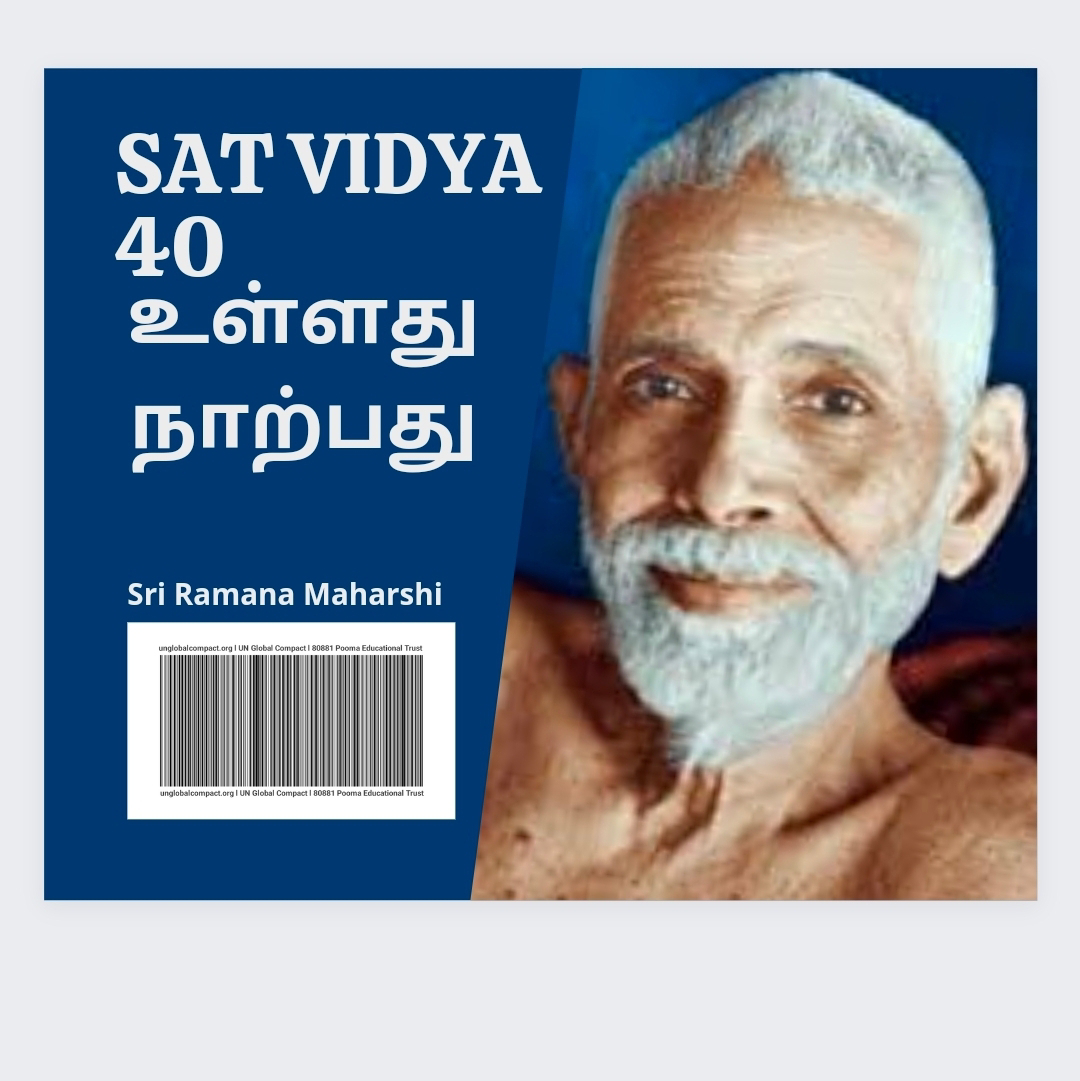
Sri Ramana Maharshi ll Satvidya 40


உள்ளது நாற்பது
Uḷḷadu Nārpadu — Sat Vidya
Reality in 40 Verses

Once Bhagavan composed twenty Tamiḷ stanzas containing his important teachings. They were not written in any particular order to form a poem. Sri Muruganar therefore suggested that Bhagavan should write twenty stanzas more to make the conventional forty. Accordingly Bhagavan composed twenty more stanzas. 

Out of these forty stanzas Kavyakantha Ganapati Muni selected two as the invocatory stanzas. Then Bhagavan wrote two more to complete the forty. Some of the stanzas were translations from Sanskrit, but as devotees wanted all the forty verses to be original they were eliminated and new stanzas composed in their place. 

The verses were all arranged in a continuous order to form a poem. Later a supplement consisting of a second forty verses was added. So indifferent to authorship was Bhagavan that he did not write all those supplementary verses himself. When he came upon a suitable one he used it — mostly translations from Sanskrit and when not, he made one. The verses eliminated from the original forty verses were included in the Supplement. In this volume those verses which he took from older sources are printed in italics.

These eighty verses are the most comprehensive exposition of the Maharshi's teaching. A number of translations have been made and commentaries written on them. They have been published as separate bookets by the Asramam under the titles Uḷḷadu Nārpadu, Sad Vidya and Truth Revealed. Bhagavan translated these verses into Telugu prose under the name of Unnadi Nalubadi and into Malayalam verse under the name of Saddarsanam.

INVOCATION
மங்கலம்

உள்ளதல துள்ளவுணர் வுள்ளதோ வுள்ளபொரு
ளுள்ளலற வுள்ளத்தே யுள்ளதா – லுள்ளமெனு
முள்ளபொரு ளுள்ளலெவ னுள்ளத்தே யுள்ளபடி
யுள்ளதே யுள்ள லுணர்வாயே – யுள்ளே

Uḷḷa-dala duḷḷa-vunar uḷḷadō vuḷḷa-porul
Uḷḷa-laṛa vuḷḷatē uḷḷa-dāl – uḷḷa-menum
Uḷḷa-poruḷ uḷḷalevan uḷḷattē uḷḷa-paḍi
Uḷḷadē uḷḷal uṇar-vāyē – uḷḷē

1. Unless Reality exists, can thought of it arise? Since, devoid of thought, Reality exists within as Heart, how to know the Reality we term the Heart? To know That is merely to be That in the Heart. 

மரணபய மிக்குளவம் மக்களர ணாக
மரணபவ மில்லா மகேசன் – சரணமே
சார்வர்தஞ் சார்வொடுதாஞ் சாவுற்றார் சாவெண்ணஞ்
சார்வரோ சாவா தவர்நித்தர் – பார்வைசேர்

Maraṇa-bhaya mikkuḷa-vam makkaḷara ṇāga
Maraṇa-bhava millā magēsan – chara-ṇamē
Sārvar-tañ sārvoḍu-tāñ savuṭṭṛār sāveṇṇañ
Sārvarō sāvā davar-nittar – pārvai sēr

2. When those who are in dread of death seek refuge at the feet of the deathless, birthless Lord Supreme, their ego and attachments die; and they, now deathless, think no more of death.

நூல் நாமுலகங் காண்டலா ணாணாவாஞ் சத்தியுள வோர்முதலை யொப்ப லொருதலையே – நாமவுருச்
சித்திரமும் பார்ப்பானுஞ் சேர்படமு மாரொளியு மத்தனையுந் தானா மவனுலகு – கர்த்தனுயிர் 

Nūl Nāmulagaṇ kāṇda-lāl nānāvān shakti-yula
Ōrmudalai oppal oru-talaiyē – nāma-vuru
Chittira-mum pār-pānum chērpaḍa-mum āroḷi-yum Attanai-yun tānām avanulagu – karta nuyir 

1. Since we know the world, we must concede for both a common Source, single but with the power of seeming many. The picture of names and forms, the onlooker, the screen, the light that illumines — all these are verily He.

மும்முதலை யெம்மதமு முற்கொள்ளு மோர்முதலை
மும்முதலாய் நிற்குமென்று மும்முதலு – மும்முதலே
யென்னலகங் கார மிருக்குமட்டே யாங்கெட்டுத்
தன்னிலையி னிற்ற றலையாகுங் – கொன்னே 

Mummu-dalai emma-damu muṛkoḷ-ḷum ōrmu-dalē
Mummu-dalai niṛku-menḍṛu mummu-dalum – mum mudalē
Yennal-ahaṇ kāram irukku-maṭṭē yān-keṭṭu
Tannilai-yil niṭṭral talai-yāguṅ – konnē 

2. On three entities — the individual, God and the world — every creed is based. That ‘the One becomes the three’ and that ‘always the three are three’, are said only while the ego lasts. To lose the ‘I’ and in the Self to stay is the State Supreme.

உலகுமெய்பொய்த் தோற்ற முலகறிவா மன்றென்
றுலகுசுக மன்றென் றுரைத்தெ – னுலகுவிட்டுத்
தன்னையோர்ந் தொன்றிரண்டு தானற்று நானற்ற
வந்நிலையெல் லார்க்குமொப் பாமூனே – துன்னும் 

Ulagu-maipoi tōṭṭram ulagari-vām anḍṛen-ḍṛu
Ulagu-sukam anḍṛen ḍṛurait-ten – ulagu-viṭṭu
Tannai-yōrn donḍṛi-raṇḍu tānaṭṭṛu nānaṭṭṛa
Annilai-yel lārkkum oppā-mūnē – tunnum 

3. ‘The World is true’; ‘No, it is a false appearance’; ‘The World is Mind’; ‘No, it is not’; ‘The World is pleasant’; ‘No, it is not’ — What avails such talk? To leave the world alone and know the Self, to go beyond all thought of ‘One’ and ‘Two’, this egoless condition is the common goal of all.

உருவந்தா னாயி னுலகுபர மற்றா
முருவந்தா னன்றே லுவற்றி – னுருவத்தைக்
கண்னுறுதல் யாவனெவன் கண்ணலாற் காட்சியுண்டோ
கண்ணதுதா னந்தமிலாக் கண்ணாமே – யெண்ணில் 

Uruvan-tān āyin ulagu-para maṭṭrām
Uruvan-tān anḍṛēl uvaṭṭrin – uruvat-tai
Kaṇṇuṛu-dal yāva-nevan kaṇṇalār kāṭchi-yuṇdō
Kaṇṇadu-tān anda-milā kaṇṇāmē – yeṇṇil 

4. If Self has form, the world and God likewise have form. If Self is without form, by whom and how can form (of world and God) be seen? Without the eye, can there be sight or spectacle? The Self, the real Eye, is infinite.

உடல்பஞ்ச கோச வுருவதனா லைந்து
முடலென்னுஞ் சொல்லி லொடுங்கு – முடலண்றி
யுண்டோ வுலக முடல்விட் டுலகத்தைக்
கண்டா ருளரோ கழறுவாய் – கண்ட 

Uḍal-pañcha kōsa uruvada-nāl aindum
Uḍal-ennuñ chollil oḍuṅ-gum – uḍal-anḍṛi
Uṇḍō ulagam uḍalviṭ ṭulagat-tai
Kaṇḍār uḷarō kazhaṛu-vāi – kaṇḍa 

5. The body is made up of the five sheaths; 
in the term body all the five are included. Without the body the world is not. Has one without the body ever seen the world?

உலகைம் புலங்க ளுருவேறன் றவ்வைம்
புலனைம் பொறிக்குப் புலனா – முலகைமன
மொன்றைம் பொறிவாயா லோர்ந்திடுத லான்மனத்தை
யன்றியுல குண்டோ வறைநேரே – நின்ற 

Ulagaim pulan-gaḷ uru-vēṛan ḍṛav-vaim
Pula-naim poṛik-kup pula-nām – ulagai-manam
Onḍṛaim poṛi-vāyāl ōrindiḍu-da lānma-nattai
Anḍṛi ulaguṇḍō aṛai-nērē – ninḍṛa 

6. The world is made up of the five kinds of sense perceptions and nothing else. And those perceptions are felt as objects by the five senses. Since through the senses the mind alone perceives the world, is the world other than the mind?

உலகறிவு மொன்றா யுதித்தொடுங்கு மேனு
முலகறிவு தன்னா லொளிரு – முலகறிவு
தோன்றிமறை தற்கிடனாய்த் தோன்றிமறை யாதொளிரும்
பூன்றமா மஃதே பொருளாமா – லேன்றதாம் 

Ulagaṛi-vum onḍṛāi yudit-toḍuṅgu mēnum
Ulaga-ṛivu tannāl oḷirum – ula-gaṛivu
Tōnḍṛi-maṛai taṛkiḍa-nāyt tōnḍṛi-maṛai yā-doḷirum
Pūnḍṛa mā mahḍē poru-ḷāmā – lēnḍṛa-dām 

7. Though the world and mind rise and fade together, the world shines by the light of the mind. The ground whence the world and mind arise, and wherein they set, that Perfection rises not nor sets but ever shines. That is Reality.

எப்பெயரிட் டெவ்வுருவி லேத்தினுமார் பேருருவி
லப்போருளைக் காண்வழிய தாயினுமம் – மெய்ப்பொருளி
னுண்மையிற்ற னுண்மையினை யோர்ந்தொடுங்கி யொன்றுதலே
யுண்மையிற் காண லுணர்ந்திடுக – விண்மை 

Yeppe-yari-ṭevvu-ruvil yēt-tinumār pēr-uruvil
Appo-ruḷai kāṇ-vazhiya dāyinu-mam – meip-poruḷin
Uṇmaiyil-tan uṇmai-yinai ōrndo-ḍuṅgi onḍṛu-dalē
Uṇmaiyiṛ kānal uṇarn-diḍuga –viṇmai 

8. Under whatever name or form we worship It, It leads us on to knowledge of the nameless, formless Absolute. Yet, to see one’s true Self in the Absolute, to subside into It and be one with It, this is the true Knowledge of the Truth.

இரட்டைகண் முப்புடிக ளென்றுமொன்று பற்றி
யிருப்பவா மவ்வொன்றே தென்று – கருத்தினுட்
கண்டாற் கழலுமவை கண்டவ ரேயுண்மை
கண்டார் கலங்காரே கானிருள்போன் – மண்டும் 

Iraṭṭai-gaḷ muppu-ḍigaḷ eṇḍru-monḍṛu paṭṭṛi
Irup-pavām avvon-ḍṛē denḍṛu – karut-tinuḷ
Kaṇḍār kazhalu-mavai kaṇḍa varē uṇmai
Kaṇḍār kalaṅ-gārē kāṇiruḷ pōl – maṇḍum 

9. ‘Twos’ and ‘threes’ depend upon one thing, the ego. If one asks in one’s Heart, ‘What is this ego?’ and finds it, they slip away. Only those who have found this know the Truth, and they will never be perplexed. 


அறியாமை விட்டறிவின் றாமறிவு விட்டவ்
அறியாமை யின்றாகு மந்த – வறிவு
மறியா மையுமார்க்கென் றம்முதலாந் தன்னை
யறியு மறிவே யறிவா – மறிப

Aṛi-yāmai viṭṭaṛi-vin ḍṛām-aṛivu-viṭṭav
Aṛi-yāmai inḍṛā-gum anda – aṛivum
Aṛiyā maiyu-mārkken ḍṛam-mudalān tannai
Aṛi-yum aṛivē aṛi-vām –aṛiba 

10. There is no knowledge without ignorance; and without knowledge ignorance cannot be. To ask, ‘Whose is this knowledge? Whose this ignorance?’ and thus to know the primal Self, this alone is Knowledge.

அறிவுறுந் தன்னை யறியா தயலை
யறிவ தறியாமை யன்றி – யறிவோ
வறிவயற் காதாரத் தன்னை யறிய
வறிவரி யாமை யறுமே – யறவே 

Aṛi-vaṛun thannai aṛiyā dayalai
Aṛiva daṛi-yāmai anḍṛi – aṛivō
Aṛi-vayaṛ kādārat tannai aṛiya
Aṛi-vaṛi yāmai aṛumē – aṛavē 

11. Without knowing the Self that knows, to know all objects is not knowledge; it is only ignorance. Self, the ground of knowledge and the non-Self, being known, both knowledge and ignorance fall away.

மும்முதலை யெம்மதமு முற்கொள்ளு மோர்முதலை
மும்முதலாய் நிற்குமென்று மும்முதலு – மும்முதலே
யென்னலகங் கார மிருக்குமட்டே யாங்கெட்டுத்
தன்னிலையி னிற்ற றலையாகுங் – கொன்னே

Mummu-dalai emma-damu muṛkoḷ-ḷum ōrmu-dalē Mummu-dalai niṛku-menḍṛu mummu-dalum – mum mudalē Yennal-ahaṇ kāram irukku-maṭṭē yān-keṭṭu Tannilai-yil niṭṭral talai-yāguṅ – konnē 

12. True Knowledge is being devoid of knowledge as well as ignorance of objects. Knowledge of objects is not true knowledge. Since the Self shines self-luminous, with nothing else for It to know, with nothing else to know It, the Self is Knowledge. Nescience It is not.

ஞானமாந் தானேமெய் நானாவா ஞானமஞ்
ஞானமாம் பொய்யாமஞ் ஞானமுமே – ஞானமாந்
தன்னைன்றி யின்றணிக டாம் பலவும் போய்மெய்யாம்
பொன்னையன்றி யுண்டோ புகலுடனா – னென்னுமத் 

Jñāna-mām tānē-mei nānāvā jñānamañ
Jñāna-mām poiyām-añ jñāna-mumē – jñāna-mān
Tannai-anḍṛi yinḍṛaṇi-gal ṭām-palavum poimei-yām
Ponnai-yanḍṛi-uṇdō pugaluḍa-nān – ennumat 

13. The Self that is Awareness, that alone is true. The knowledge which is various is ignorance. And even ignorance, which is false, cannot exist apart from the Self. False are the many jewels, for apart from gold, which alone is true, they cannot exist.

தன்மையுண்டேன் முன்னிலை படர்க்கைக டாமுளவாந்
தன்மையி னுண்மையைத் தானாய்ந்து – தன்மையறின்
முன்னிலைப படர்க்கை முடிவுற்றொன் றாயொளிருந்
தன்மையே தன்னிலைமை தானிதமு – மன்னும் 

Tanmai-uṇdēl munnilai paḍark-kaigal tām-uḷavān
Tanmai-yin uṇmai-yai -tānāindu – tanmai-yaṛin
Munnilai paḍark-kai mudivuṭ-ṭṛōnḍṛāi yoḷirum
Tanmaiyē tannilai-mai tānida-mum – mannum 

14. ‘You’ and ‘he’ — these appear only when ‘I’ does. But when the nature of the ‘I’ is sought and the ego is destroyed, ‘you’ and ‘he’ are at an end. What shines then as the One alone is the true Self.

நிகழ்வினைப் பற்றி யிறப்பெதிர்வு நிற்ப
நிகழ்கா லவையு நிகழ்வே – நிகழ்வொன்றே
யின்றுண்மை தேரா திரப்பெதிர்வு தேர்வுன
லொன்றின்றி யெண்ண வுனலுணர – நின்றபொருள் 

Nigazh-vinaip paṭṭṛi yiṛap-pedirvu niṛpa
Nigazh-kāl avaiyu nigazhvē – nigazh-vonḍṛē
Yinḍṛuṇ-mai tērā diṛap-pedirvu tēra-vunal
Onḍṛinḍṛi yeṇṇa unaluṇara – ninḍṛa-poruḷ 

15. Past and future are dependent on the present. The past was present in its time and the future will be present too. Ever-present is the present. To seek to know the future and the past, without knowing the truth of time today, is to try to count without the number ‘One’.

நாமன்றி நாளேது நாடேது நாடுங்கா
னாமுடம்பே னாணாட்டு ணாம்படுவ – நாமுடம்போ
நாமின்றன் றென்றுமொன்று நாடிங்கங் கெங்குமொன்றால்
னாமுண்டு நாணாடி னாமூன – மாமிவ் 

Nām anḍṛi nāḷēdu nāḍēdu nāḍuṅ-gāl
Nām-uḍambēl nāḷ-nāṭṭuḷ ṇām-paḍuvam – nām-uḍambō
Nām-inḍṛan ḍṛenḍṛu-monḍṛu nāḍiṅ-gaṅ gengu-moḍṛāl
Nām-uṇḍu nāṇāḍil nāmū-nam – āmiv 

16. Without us there is no time nor space. If we are only bodies, we are caught up in time and space. But are we bodies? Now, then and always — here, now and everywhere — we are the same. We exist, timeless and spaceless.

உடனானே தன்னை உணரார்க் குணர்ந்தார்க்
குடலளவே நான்ற னுணரார்க் – குடலுள்ளே
தன்னுணர்ந்தார்க் கெல்லையறத் தானொளிரு நானிதுவே
இன்னவர்தம் பேதமென வெண்ணுவாய் – முன்னாம்

Uḍal-nānē tannai uṇarār kuṇarn-dārkku
Uḍa-laḷavē nāntan uṇa-rārkku – uḍa-luḷḷē
Tannuṇarn-dārk kellai-yaṛa tānoḷirum nān-iduvē
Inna-vardam bhēda-mena eṇṇu-vāi – munnām 

17. To those who do not know the Self and to those who do, the body is the ‘I’. But to those who do not know the Self the ‘I’ is bounded by the body; while to those who within the body know the Self the ‘I’ shines boundless. Such is the difference between them.

உலகுண்மை யாகு முணர்வில்லார்க் குள்ளார்க்
குலகளவா முண்மை யுணரார்க் – குலகினுக்
காதார மாயுருவற் றாருமுணர்ந் தாருண்மை
யீதாகும் பேதமிவர்க் கெண்ணுக – பேத 

Ulaguṇ-mai yāgum uṇar-villārk-kuḷ-ḷārkku
Ulagaḷa-vām uṇmai uṇa-rārkku – ulagi-nukku
Ādāra maiuru-vaṭṭṛā rum-uṇarn dār-uṇmai
Īdā-gum bhēdam-ivark keṇṇuga – bhēda 

18. To those who do not know and to those who do, the world is real. But to those who do not know, Reality is bounded by the world; while to those who know, Reality shines formless as the ground of the world. Such is the difference between them.

விதிமதி மூல விவேக மிலார்க்கே
விதிமதி வெல்லும் விவாதம் – விதிமதிகட்
கோர்முதலாந் தன்னை யுணர்ந்தா ரவைதணந்தார்
சார்வரோ பின்னுமவை சாற்றுவாய் – சார்பவை 

Vidi-madi mūla vivēka milārkkē
Vidi-madi vellum vivā-dam – vidi-madigaṭku
Ōrmuda-lān tannai uṇarn-dār avai-taṇandār
Chār-varō pinnu-mavai chāṭṭṛuvāi – chār-bhavai 

19. The debate, ‘Does free will prevail or fate?’ is only for those who do not know the root of both. Those who have known the Self, the common source of freewill and of fate, have passed beyond them both and will not return to them.

காணுந் தனைவிட்டுத் தான்கடவு ளைக்காணல்
காணு மனோமயமாங் காட்சிதனைக் – காணுமவன்
றான்கடவுள் கண்டானாந் தன்முதலைத் தான்முதல்போய்த்
தான்கடவு ளன்றியில தாலுயிராத் – தான் கருதும் 

Kāṇum tanai-viṭṭu tān-kaḍavu-ḷai-kāṇal
Kāṇum manōmaya-māṇ kāṭchi-tanaik – kāṇu-mavan
Tānkaḍa-vuḷ kaṇḍā-nān tan-mudalai tān-mudalpōi
Tānkaḍa-vuḷ anḍṛi-yila dāl-uyirā – tān-karudum 

20. To see God and not the Self that sees is only to see a projection of the mind. It is said that God is seen by him alone who sees the Self; but one who has lost the ego and seen the Self is none other than God.

தன்னைத்தான் காண றலைவன் றனைக்காண
லென்னும்பன் னூலுண்மை யெனையெனின் - றன்னைத்தான்
காணலெவன் றானொன்றாற் காணவொணா தேற்றலைவற்
காணலெவ னூணாதல் காணவையுங் - காணும்

annait-tān kāṇal talai-van tanaik-kāṇal
Ennum pannūl-uṇmai ennai-enin – tannait-tān
Kāṇal-evan tānonḍ-ṛāṛ kāṇa-voṇā dēṭṭṛa-laivaṛ
Kāṇal-evan ūṇādal kāṇevai-yuṅ – kāṇum 

21. When scriptures speak of ‘seeing the Self’ and ‘seeing God’, what is the truth they mean? How to see the Self? As the Self is one without a second, it is impossible to see it. How to see God? To see Him is to be consumed by Him.

மதிக்கொளி தந்தம் மதிக்கு ளொளிரு
மதியினை யுள்ளே மடக்பதியிற்
பதித்திடுத லன்றிப் பதியை மதியான்
மதித்திடுத லெங்ஙன் மதிமதியிலதால் 

Madik-koḷi tan-dam madik-kuḷ oḷi-rum
Madi-yinai uḷḷē maḍakki – padiyil
Padittiḍu-dal anḍṛip padi-yai madi-yāl
Madit-tiḍu-dal eṅṅgan madi-yāi – madi-yiladāl 

22. Without turning inwards and merging in the Lord — it is His light that shines within the mind and lends it all its light — how can we know the Light of lights with the borrowed light of the mind?

நானென்றித் தேக நவிலா துறக்கத்து
நானின்றென் றாரு நவில்நானொன் –
றெழுந்தபி னெல்லா மெழுமிந்த நானெங்
கெழுமென்று நுண்மதியாநழுவும் 

Nā-nenḍṛit dēham navilā duṛak-kattu
Nā-ninḍṛen ḍṛāru navil-vadilai – nān-onḍṛu
Ezhun-dapin ellām ezhu-minda nān-eṅgu
Ezhu-menḍṛu nuṇ-madiyāl eṇṇa – nazhu-vum 

23. The body says not it is ‘I’. And no one says, “In sleep there is no ‘I’.” When ‘I’ arises all (other) things arise. Whence this ‘I’ arises, search with a keen mind.

சடவுடனா னென்னாது சச்சித்துதியா
துடலளவா நானொன் றுதமிடையிலிது
சிச்சடக்கி ரந்திபதஞ் சீவனுட்ப மெய்யகந்தை
யிச்சமு சாரமன மெண்ணெவிச்சை

Jaḍa-vuḍal nā-nennādu satchit-tudi-yādu
Uḍal-aḷavā nānonḍ ṛudik-kum – iḍaiyi-lidu
Chit-jada granti-bhandam jīva-nuṭpa mei-yahandai
ichamu-sāra manam eṇṇ-ennē – vichai 

24. The body which is matter says not ‘I’. Eternal Awareness rises not nor sets. Betwixt the two, bound by the body, rises the thought of ‘I’. This is the knot of matter and Awareness. This is bondage, jiva, subtle body, ego. This is samsara, this is the mind.

உருப்பற்றி யுண்டா முருப்பற்றி நிற்கு
முருப்பற்றி யுண்டுமிக முருவிட்
டுருப்பற்றுந் தேடினா லோட்டம் பிடிக்கு
முருவற்ற பேயக்ந்தை யோர்கருவாம் 

Urup-paṭṭṛi uṇḍām urup-paṭṭṛi niṛ-kum
Urup-paṭṭṛi uṇḍu-miga vōṅgum – uru viṭṭu
Urup-paṭṭṛum tēḍi-nāl ōṭṭam piḍik-kum
Uru-vaṭṭṛa pēi ahandai ōrvāi – karuvām 

25. Holding a form it rises; holding a form it stays; holding and feeding on a form it thrives. Leaving one form, it takes hold of another. When sought, it takes to flight. Such is the ego-ghost with no form of its own.

அகந்தையுண் டாயி னனைத்துமுண் டாகு
மகந்தையின் றேலின் றனைமகந்தயே
யாவுமா மாதலால் யாதிதென்று நாடலே
யொவுதல் யாவுமென வோர்முமேவுமிந்த

Ahan-dai uṇḍā-yin anait-tum uṇḍā-gum
Ahan-dai inḍṛēl inḍṛa-naittum – ahan-daiyē
Yāvu-maam āda-lāl yādi-denḍṛu nāḍalē
Ovu-dal yāvu-mena ōrmudal-pol – mēvu-minda 

26. When the ego rises all things rise with it. When the ego is not, there is nothing else. Since the ego thus is everything, to question ‘What is this thing?’ is the extinction of all things.

நானுதியா துள்ளநிலை நாமதுவா யுள்ளநிலை
நானுதிக்குந் தானமதை னானுதியாத்
தன்னிழப்பைச் சார்வதெவன் சாராமற் றானதுவாந்
தன்னிலையி னிற்பதெவன் சாமுன்னர் 

nā-nudiyā duḷḷa-nilai nāmadu-vāi yuḷḷa-nilai
Nānudik-kum tāna-madai nāḍā-mal – nānudi-yā
Tannizhap-pai chārva-devan chā-rāmaṛ tānadu-vān
Tannilai-yil niṛpa-devan chāṭ-ṭṛudi – munnar 

27. ‘That’ we are, when ‘I’ has not arisen. Without searching whence the ‘I’ arises, how to attain the self-extinction where no ‘I’ arises? Without attaining self-extinction, how to stay in one’s true state where the Self is ‘That’?

எழும்பு மகந்தை யெழுமிடத்தை நீரில்
விழுந்த பொருள்காண வமுழுகுதல்போற்
கூர்ந்தமதி யாற்பேச்சு மூச்சடக்கிக் கொண்டுள்ளே
யாழ்ந்தறிய வேண்டு மறிபிணதீர்ந்துடலம் 

Ezhum-bum ahan-dai ezhu-miḍattai nīril
Vizhunda poruḷ-kāṇa vēṇḍi – muzhugu-dalpōl
Kūrnda-madi yāl-pēchu mūcha-ḍakki koṇ-ḍuḷḷē
Āzhn-daṛiya vēṇ-ḍum aṛipi-ṇampōl – tīrndu-ḍalam 

28. Controlling speech and breath, and diving deep within oneself — like one who, to find a thing that has fallen into water, dives deep down — one must seek out the source whence the aspiring ego springs.

நானென்று வாயா னவிலாதுள் ளாழ்மனத்தா
னானென்றெங் குந்துமென நஞானநெறி–
யாமன்றி யன்றிதுநா னாமதுவென் றுன்னறுணை
யாமதுவி சாரமா மாவமீமுறையே 

Nā-nenḍru vāyāl navilā-duḷḷāzh manat-tāl
Nā-nenḍṛeṅ gundu-mena nāḍu-dalē – jñāna-neri
Yāman-ḍṛi anḍṛi-dunā nāmadu-ven ḍṛunnal-tuṇai
Yāmadu vichāra-mā māva-danāl – mī-muṛaiyē 

29. Cease all talk of ‘I’ and search with inward diving mind whence the thought of ‘I’ springs up. This is the way of wisdom. To think, instead, ‘I am not this, but That I am,’ is helpful in the search, but it is not the search itself.

நானா ரெனமனமுண் ணாடியுள நண்ணவே
நானா மவன்றலை நாணமநானானாத்
தோன்றுமொன்று தானாகத் தோன்றினுநா னன்றுபொருள்
பூன்றமது தானாம் பொருள்பதோன்றவே 

Nānā rena-manamuḷ nāḍi-yuḷam naṇṇavē
Nānām avan-talai nāṇa-muṛa – nān-nānā
Tōnḍṛu-monḍṛu tānā-ga tōn-ḍṛinu-nān anḍṛu-poruḷ
Pūnḍṛa-madu tānām poruḷ poṅgi – tōn-ḍṛavē

30. When the mind turns inward seeking ‘Who am I?’ and merges in the Heart, then the ‘I’ hangs down his head in shame and the One ‘I’ appears as Itself. Though it appears as ‘I-I’, it is not the ego. It is Reality, Perfection, the Substance of the Self.

தன்னை யழித்தெழுந்த தன்மயா னந்தருக்
கென்னை யுளதொன் றியற்றுதற்குத் - தன்னையலா
தன்னிய மொன்று மறியா ரவர்நிலைமை
யின்னதென் றுன்ன லெவன்பரமாப் - பன்னும்

Tannai azhit-tezhunda tan-mayā nanda-rukku
Ennai uḷa-don ḍṛiyaṭṭṛu-daṛkut – tannai-alādu
Anni-yam onḍṛum aṛiyār avar-nilaimai
Inna-den ḍṛunnal evan-paramāp –pannum 

31. For him who is the Bliss of Self arising from extinction of the ego, what is there to do? He knows nothing other than this Self. How to conceive the nature of his state?

அதுநீயென் றம்மறைக ளார்த்திடவுந் தன்னை
யெதுவென்று தான்றேர்ந் ததுநா –
னிதுவென்றென் றெண்ணலுர னின்மையினா லென்று
மதுவேதா னாயமர்வ தாலே - யதுவுமலாது 

Adu-nīyen ḍṛam-maṛaiga ḷārtti-ḍavun tannai
Edu-venḍṛu tān tērndirādu – adu-nān
Iduvan-ḍṛen ḍṛeṇṇal-uran inmaiyi-nāl enḍṛum
Aduvē-tānāi yamarva dālē – aduvum-alādu 

32. When the Vedas have declared, ‘Thou art That’ — not to seek and find the nature of the Self and abide in It, but to think ‘I am That, not This’ is want of strength. Because, That abides always and ever as the Self.

என்னை யறியேனா னென்னை யறிந்தேனா
னென்ன னகைப்புக் கிடனாகு - மென்னை
தனைவிடய மாக்கவிரு தானுண்டோ வொன்றா
யனைவரனு பூதியுண்மை யாலோர் - நினைவறவே

Ennai yaṛiyē-nān ennai aṛindēn-nān
Enna nagaip-puk kiḍa-nāgum –ennai
Tanai-viḍaya mākka-viru tān-uṇḍō vonḍṛāi
Anai-varanu būdi uṇmai-yālōr – ninai-vaṛavē 

33. To say ‘I do not know myself’ or ‘I have known myself’ is cause for laughter. What? Are there two selves, one to be known by the other? There is but One, the Truth of the experience of all.

என்று மெவர்க்கு மியல்பா யுளபொருலை
யொன்று முளத்து ளுணர்ந்துநிலை - நின்றிடா
துண்டின் றுருவருவென் றொன்றிரண் டன்றென்றே
சண்டையிடன் மாயைச் சழக்கொவொண்டியுளம்

Enḍ-ṛum evark-kum iyal-bāi yuḷa-poru-ḷai
Onḍ-ṛum uḷat-tuḷ uṇarndu-nilai – ninḍṛi-dādu
Uṇḍin ḍṛuru-varuven ḍṛon-ḍṛiran ḍan-ḍṛenḍṛē
Chaṇḍai-yiḍal māyaic chazhak-kozhiga – voṇḍi-yuḷam 

34. The natural and true Reality forever resides in the Heart of all. Not to realize It there and stay in It but to quarrel ‘It is’, ‘It is not’, ‘It has form’, ‘It has not form’, ‘It is one’, ‘It is two’, ‘It is neither’, this is the mischief of maya.

சித்தமா யுள்பொருளைத் தேர்ந்திருத்தல் சித்திபிற
சித்தியெலாஞ் சொப்பனமார் சித்திகளே - நித்திரைவிட்
டோற்ந்தா லவைமெய்யோ வுண்மைநிலை நின்று பொய்மை
தீர்ந்தார் தியங்குவரோ தேர்ந்திருநீ - கூர்ந்துமயல் 

Chit-tamāi yuḷporu-ḷai tērn-diruttal siddhi-piṛa
Siddhi-yelāñ choppa-namār siddhigalē – niddirai-viṭṭu
Ōrndāl avai-meiyō uṇmai-nilai ninḍṛu-poimai
Tīrn-dār tiyaṅku-varō tērn-dirunī – kūrndu-mayal 

35. To discern and abide in the ever-present Reality is true attainment. All other attainments are like powers enjoyed in a dream. When the sleeper wakes, are they real? Those who stay in the state of Truth, having cast off the unreal — will they ever be deluded?

நாமுடலென் றெண்ணினல நாமதுவென் றெண்ணுமது
நாமதுவா நிற்பதற்கு நற்றயாமென்று
நாமதுவென் றேண்ணுவதே னான்மனித னெறெணுமோ
நாமதுவா நிற்குமத னாதேமுயலும் 

Nām-uḍaleṇ ḍṛeṇṇi-nala nāmadu-ven ḍṛeṇṇu-madu
Nām aduvā niṛpa-daṛku naṭṭṛu-naiyē – yāmen-ḍṛum
Nām-aduven ḍṛeṇ-ṇuvaḍē nān-manidan enḍṛe-ṇumō
Nām-aduvā niṛku-mada nāl-aṛiyā – dēmuyalum 

36. If we think we are the body, then to tell ourselves, ‘No, I am That’, is helpful to abide as That. Yet — since ever we abide as That — why should we always think, ‘I am That?’ Does one ever think, ‘I am a man’?

சாதகத்தி லேதுவிதஞ் சாத்தியத்தி லத்துவித
மோதுகின்ற வாதமது முண்வாதரவாய்த்
தான்றேடுங் காலுந் தனையடைந்த காலத்துந்
தான்றசம னன்றியார் தான்விபோன்ற 

Sādakat-tilē duvitan sāttiyatti -lattuvidam
Ōdu-kinḍṛa vāda-madum uṇmai-yala – ādara-vāi
Tān-tēḍum kālum tanai-aḍainda kālat-tum
Tān-dasaman anḍṛi-yār tān-vittu – pōnḍṛa 

37. ‘During the search, duality; on attainment, unity’ — This doctrine too is false. When eagerly he sought himself and later when he found himself, the tenth man in the story was the tenth man and none else (ten men crossed a stream and wanted to make sure they were all safe. In counting, each one left himself out and found only nine. A passer-by gave each a blow and made them count the ten blows).

வினைமுதனா மாயின் விளைபயன் றுய்ப்போம்
வினைமுதலா ரென்று வதனையறியக்
கர்த்தத் துவம்போய்க் கருமமூன் றுங்கழலு
நித்தமா முத்தி நிலமத்தனாய்ப் 

Vinai-mudal nāmā-yin viḷai-payan ḍṛuip-pōm
Vinai-mudal āren-ḍṛu vinavi – tanai-yaṛiya
Kart-tattu vam-pōi karuma-mūndṛuṅ kazhalum
Nit-tamā mukti nilai-yīdē – matta-nāi 

38. If we are the doers of deeds, we should reap the fruits they yield. But when we question, ‘Who am I, the doer of this deed?’ and realize the Self, the sense of agency is lost and the three karmas slip away. Eternal is this Liberation.

பத்தனா னென்னுமட்டே பந்தமுத்தி சிந்தனைகள்
பத்தனா ரென்றுதன்னைப் பார்க்குசித்தமாய்
நித்தமுத்தன் றானிற்க நிற்காதேற் பந்தசிந்தை
முத்திசிந்தை முன்னிற்கு மோகொத்தாங்கு 

Battanā-nennu maṭṭē bhanda-mukti chin-tanaigaḷ
Battanā-renḍṛu tannaip-pārk-kuṅgāḷ – sittamāi
Nitta-muktan tāniṛka niṛkādēr bhanda-chindai
Muktti-chindai mun-niṛkumō manat-tukku – ottāngu 

39. Thoughts of bondage and of freedom last only as long as one feels, ‘I am bound’. When one inquires of oneself, ‘Who am I, the bound one?’ the Self, Eternal, ever free, remains. The thought of bondage goes; and with it goes the thought of freedom too.

உருவ மருவ முருவருவ மூன்றா
முறுமுத்தி யென்னி லனுருவ –
மருவ முருவருவ மாயு மகந்தை
யுருவழிதன் முத்தி உதருள் ரமணன் 

Uruvam aruvam uruvaru-vam mūnḍṛām
Uṛu-mukti ennil uraip-pan – uru-vam
Aru-vam uruvaru-vam āyum ahandai
Uru-vazhidan mukti uṇa-rīdu – aruḷ Ramaṇan 

40. If asked, ‘Which of these three is final liberation: With form, without form, or with-and-without-form?’ I say, Liberation is the extinction of the ego which enquires ‘With form, without form, or with-and-without-form?’

உள்ளது நாற்பது மோன்றுகலி வெண்பாவா
முள்ளது காட்டு மொளி.

Uḷḷadu nārpadum onḍṛu-kali veṇbā-vām
Uḷḷadu kāṭṭum oḷi.
This work, Uḷḷadu Nārpadu, which Sri Ramana in his grace (composed and linked as one kalivenba is the Light which reveals Reality.

— Translated by Prof. K. Swaminathan